Where the Land Meets the Sea and History: Images from Cyprus
Tucked at the crossroads of Europe, the Middle East, and Africa, Cyprus is an island steeped in myth, history, and natural beauty. Known as the legendary birthplace of Aphrodite, it has been shaped by millennia of conquest and cultures. Cyprus today is clearly a hotspot for real estate investment, with luxury resorts and seaside villas drawing international buyers. But I was there with my family to hike and explore. What impressed us most was the island’s raw beauty, its varied landscapes and dramatic coastline.
Tucked at the crossroads of Europe, the Middle East, and Africa, Cyprus is an island steeped in myth, history, and natural beauty. Known as the legendary birthplace of Aphrodite, it has been shaped by millennia of conquest and cultures. Cyprus today is clearly a hotspot for real estate investment, with luxury resorts and seaside villas drawing international buyers. But I was there with my family to hike and explore. What impressed us most was the island’s raw beauty, its varied landscapes and dramatic coastline.
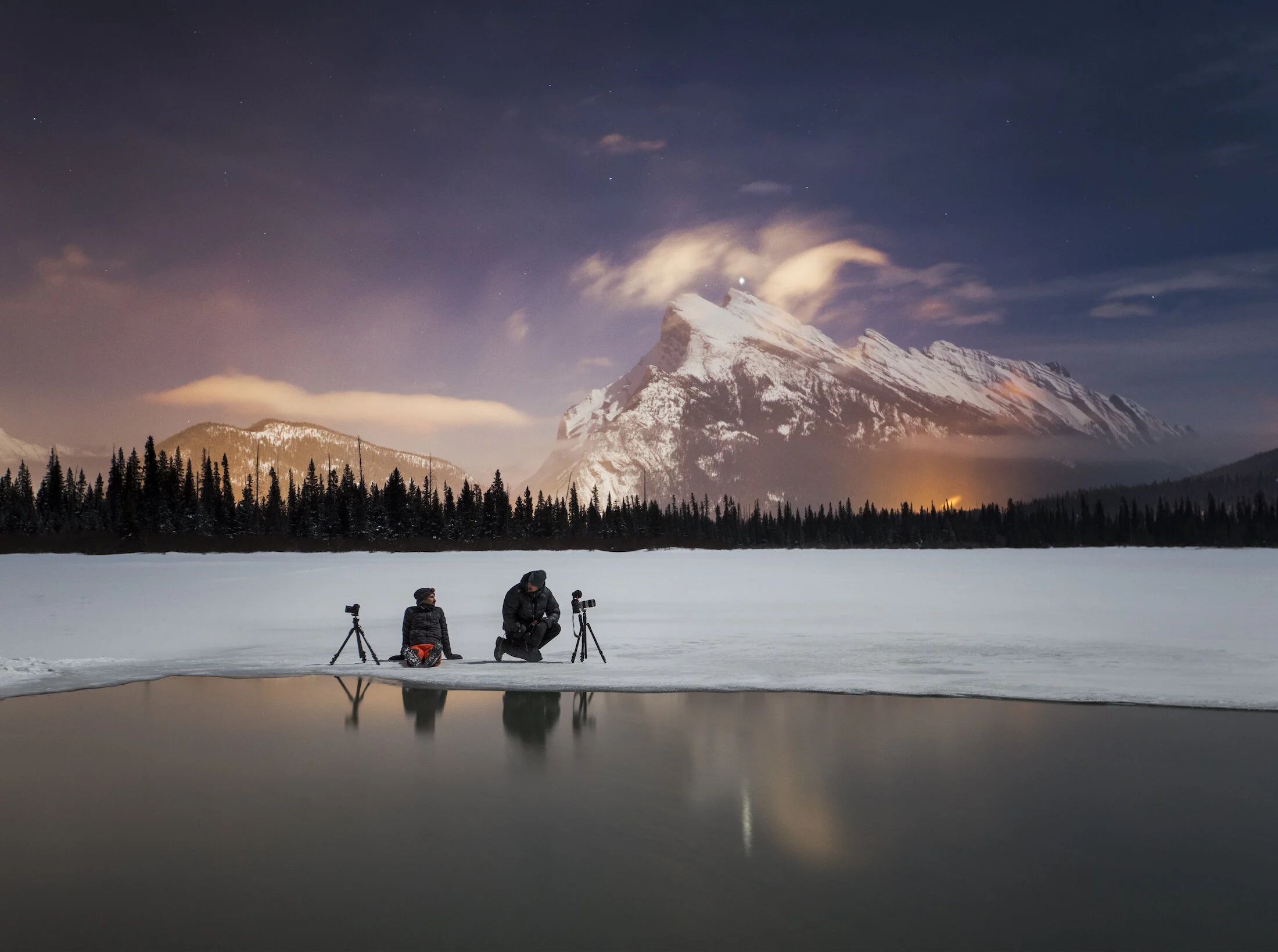
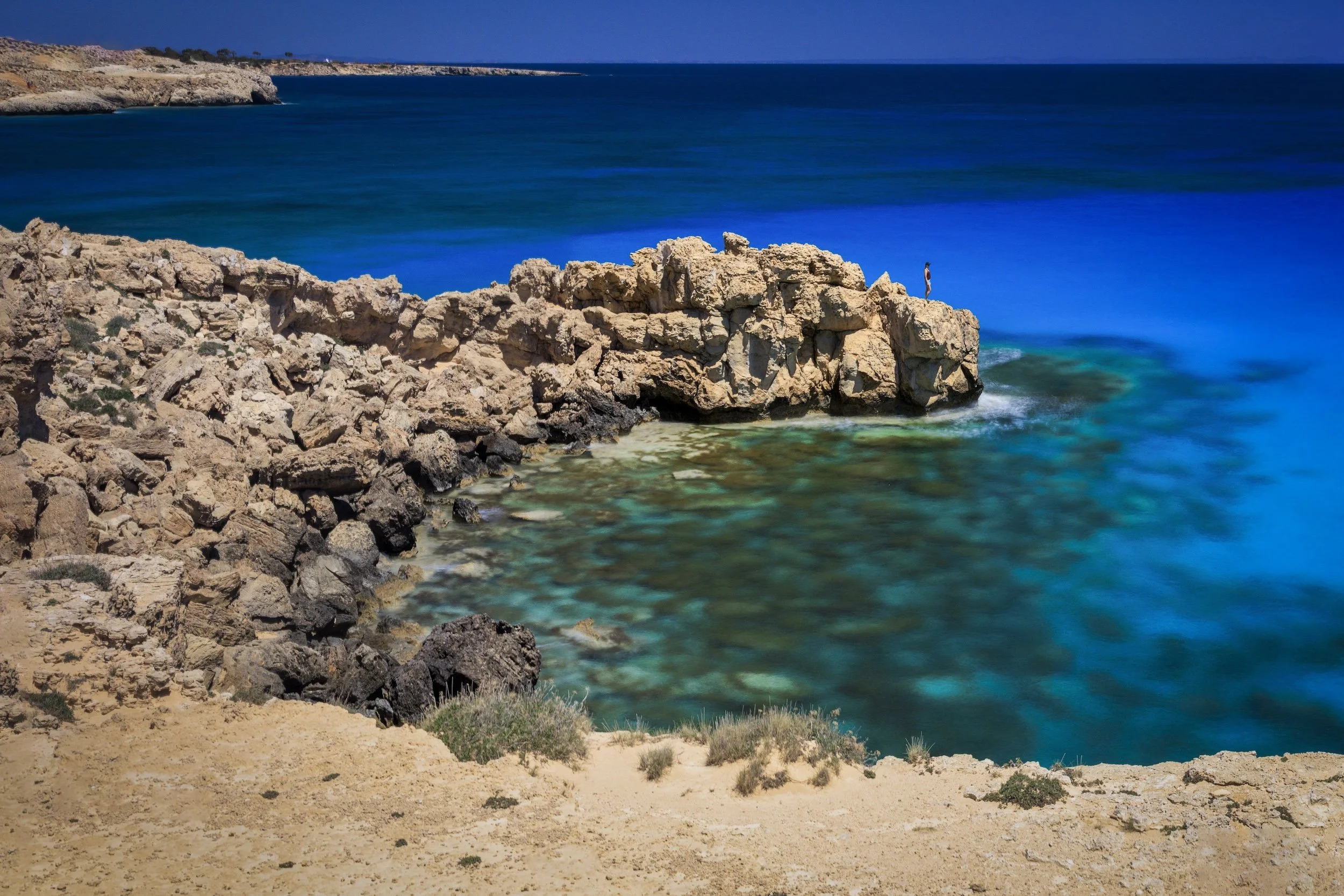
This photo series dives into the dramatic meeting of land and sea along Cyprus’ coast. Crystalline waters carve intricate sea caves into limestone cliffs, and the remnants of shipwrecks lie like time capsules just offshore—testaments to the island’s longstanding maritime history. From the iconic Edro III wreck near Peyia to the turquoise waters of Cape Greco, these images show how this place is filled with story and charm.

MV Demetrios II shipwreck off the coast of Cyprus. Photo: Paul Zizka.

My daughter at Tombs of the Kings near Paphos, Cyprus. Photo: Paul Zizka.

Hiking along the Cypriot coast in April 2025. Photo by Paul Zizka. Model: Meghan J. Ward.
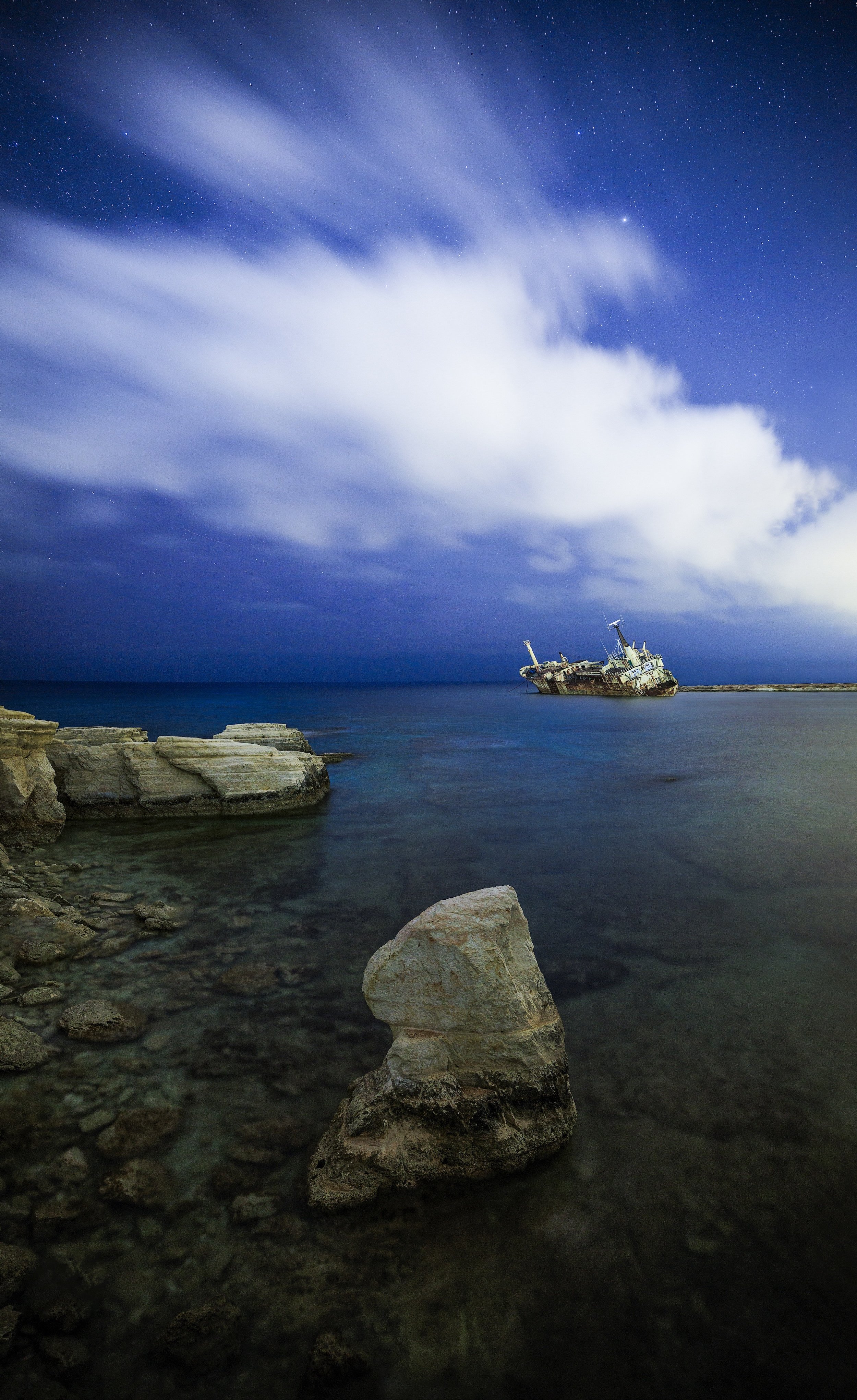
EDRO III shipwreck. Photo by Paul Zizka.

Huge rock at Petra tou Romiou, known as the birthplace of Aphrodite. Photo: Paul Zizka.

The Love Bridge, near Ayia Napa, Cyprus. Photo: Paulka.

Mauralis Beach. Photo: Paul Zizka. Model: Meghan J. Ward.

The clear blue water of the Blue Lagoon near the Cape Greco Peninsula. Photo: Paul Zizka.

A New Approach to Social Media
As we’ve all discovered, especially in recent years, social media has transformed into something that goes well beyond simply sharing. The algorithms have hard-wired us to repackage wilderness experiences for consumption. Video became the best tool in our kit. We have been taught that to survive as a photographer, we must be “content creators,” not only capturing the scene but also what’s happening behind the scenes. I have enjoyed many parts of that process, but I don’t like the motivations behind it — reducing the creative journey to online metrics and marketability taints the process and the wilderness experience, both for the artist and the audience.
OFFICIAL STATEMENT
A NEW APPROACH TO SOCIAL MEDIA
There’s a tension in what we do as outdoor-inspired artists and creators. We head into the wilderness to experience it fully — the silence, the vastness, the beauty. But at the same time, we feel the pull to document and share those moments. Sharing our work can be an important part of the artistic process. For that reason, I was an early adopter of social media.
What a journey it’s been. I have had the good fortune of meeting so many incredible people and witnessing how others show up for my work. This has been a truly global community that has helped to keep me buoyant through the ups and downs of running a photography business.
Yet, as we’ve all discovered, especially in recent years, social media has transformed into something that goes well beyond simply sharing. The algorithms have hard-wired us to repackage wilderness experiences for endless consumption. Video became the best tool in our kit. We have been taught that to survive as a photographer, we must be “content creators,” not only capturing the scene but also what’s happening behind the scenes. I have enjoyed many parts of that process, but I don’t like the motivations behind it. It reduces the creative journey to online metrics; marketability taints the process and the wilderness experience, both for the artist and the audience.
I’ve grown tired of the ever-growing demands on social media that go beyond sharing my work, fulfilling contracts with my valued clients, and inviting people into a conversation. There is pressure to think in terms of engaging captions, post performance, followers, and content creation. These concepts don’t only conflict with an artistic approach, but also present an inevitable contradiction for anyone who cherishes a life centered around nature. This kind of content creation takes time away from the things I love most about the outdoor experience.
And then, there’s the fact that algorithms are constantly moving the goalposts. From what I’ve gathered from analytics, for example, much of my audience on Facebook isn’t seeing my work. My metrics show that, in general, even the “best-performing” posts are reaching 5% of my audience. What was once a way to share my work now feels like a constant struggle against a system that doesn’t serve me.
As the mental load of meeting these demands grows increasingly unsustainable, I want to return to using social media on my own terms.
So I’m stepping back — not disappearing, just recalibrating and steering things in a new direction to focus on quality and community. As a first step, I will no longer be posting on my Facebook Page by the end of May 2025. Instead, I will be focusing my efforts on other platforms, in particular Substack, which is where I want to consolidate my online activity. I plan to reduce how often I post and instead look for ways to engage meaningfully with my community.
I’m not here to tell anyone else what to do, only to be honest about where I’m at. This is what feels right. And if my work reaches fewer people, but resonates more deeply, that is more important to me than numbers.
With that, I want to stay connected with you. It will take time to find that sweet spot, especially for those of us who have long relied on it for our business, who have dependents, and so on. This is the first of many steps towards what I hope will be a more sustainable relationship with the online world, and a return toward true connection, both with people and wild places.
For now, here’s where I’m hoping to develop stronger, more meaningful communities:
→ I encourage you all to subscribe to Fuelled by Creativity on Substack (free and paid options) and consider downloading the Substack app to experience all of the benefits of this platform. Check it out here first.
→ For those of you on Facebook, please follow my Profile instead (Use the Follow option on my profile, not Friend Request).
→ I will also remain active on Instagram, LinkedIn, and 500px.

Historic Cities and Stunning Landscapes of Romania and Bulgaria
A photo portrait from a family trip through Romania and Bulgaria. Each country was distinctly different from the other due to different influences in their histories and modern-day trajectories. In Romania, we largely spent our time in the gorgeous Transylvania region with its Saxon-influenced architecture, folklore (you might be familiar with Dracula), and the mountainous countryside that linked our journey from town to town. In Bulgaria, we journeyed cross-country to visit more diverse parts of the country, including the mind-boggling rock formations of Belogradchick, the Medieval city of Veliko Tarnovo, the seaside resort town of Sozopol and the Madara national historical-archeological reserve.
Every year, I take an “adventurous” trip abroad with my wife and our two daughters. Often, my father comes along and it makes for a three-generation experience that we value so much as this stage in life. The past few years, we’ve found ourselves in Eastern Europe, including the Baltic Nations of Latvia, Lithuania and Estonia and Croatia and several western Balkan countries. It’s truly a highlight of my year to explore the world with my loved ones.
This year we decided to fill in some gaps in our experience in Eastern European and selected the neighbouring countries of Romania and Bulgaria. Each country was distinctly different from the other due to different influences in their histories and modern-day trajectories. In Romania, we largely spent our time in the gorgeous Transylvania region with its Saxon-influenced architecture, folklore (you might be familiar with Dracula), and the mountainous countryside that linked our journey from town to town. In Bulgaria, we journeyed cross-country to visit more diverse parts of the country, including the mind-boggling rock formations of Belogradchick, the Medieval city of Veliko Tarnovo, the seaside resort town of Sozopol and the Madara national historical-archeological reserve.

Brasov, Romania, at night. Photo: Paul Zizka.
I didn’t take the camera out a lot while we were there while I focused on family time, but below you’ll find some of my images from the trip. Not easily captured were the rather enlightening and at time comical moments of cultural immersion, which as foreigners added so much to our experience. From ordering off of menus written in a Cyrillic alphabet to adapting to some new rules for the road, the trip was an unexpected adventure in so many ways. We especially fell in love with the landscapes of these two countries, which I hoped to convey in these images!
Romania

The Council Square in Brasov, Romania. Photo: Paul Zizka.

Bran Castle near Brasov, Romania. Photo: Paul Zizka.

Catedrala "Sfântul Ioan Botezătorul" in Făgăraș, Romania. Photo: Paul Zizka.
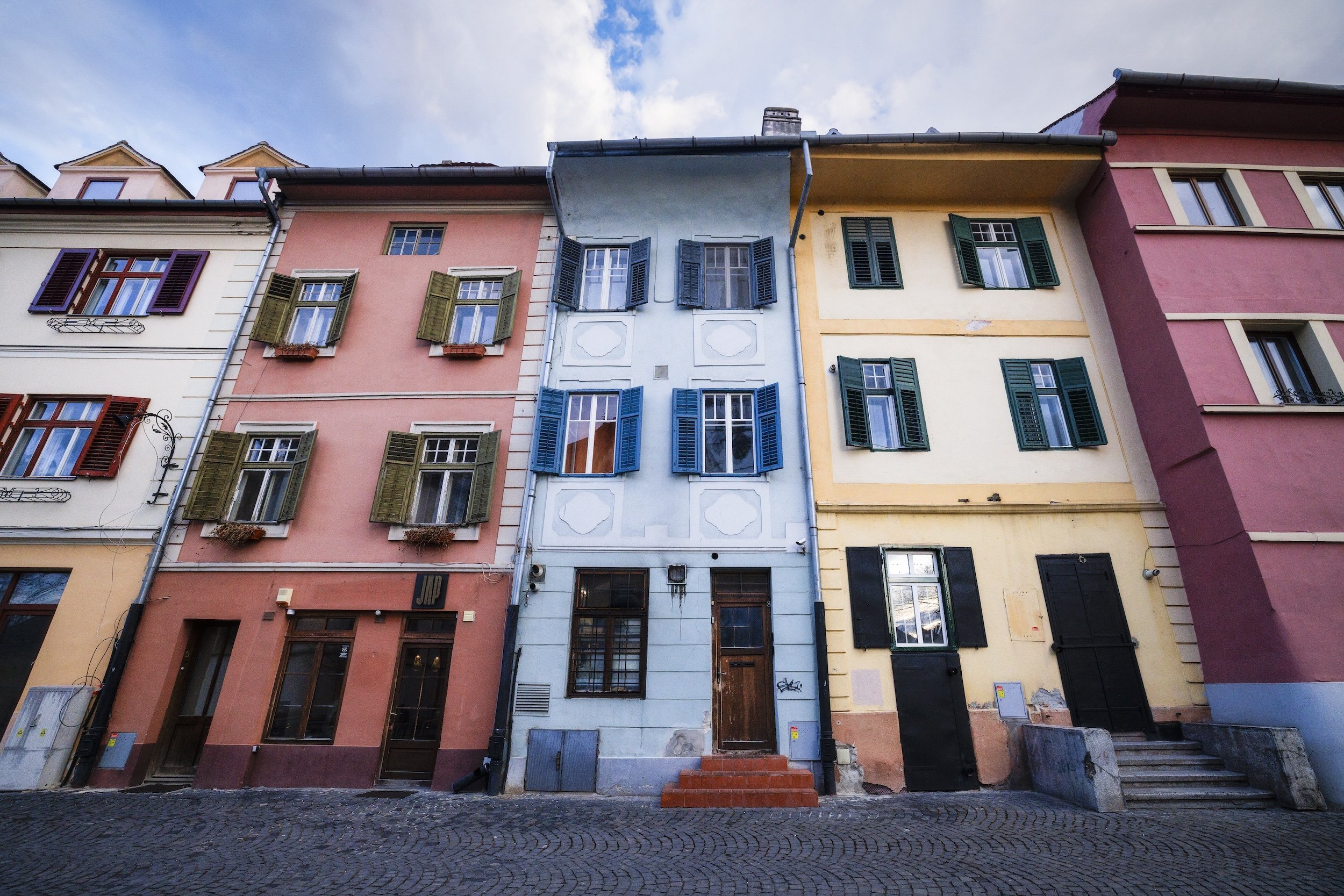
Pastel hues of Sibiu, Romania. Photo: Paul Zizka.

“Saint Mary” Evangelical Cathedral of Sibiu, Romania. Photo: Paul Zizka.

A different angle of “Saint Mary” Evangelical Cathedral of Sibiu, Romania. Photo: Paul Zizka.

Alley in Sibiu, Romania. Photo: Paul Zizka.

Rust-red rooftops in Sibiu, Romania. Photo: Paul Zizka.
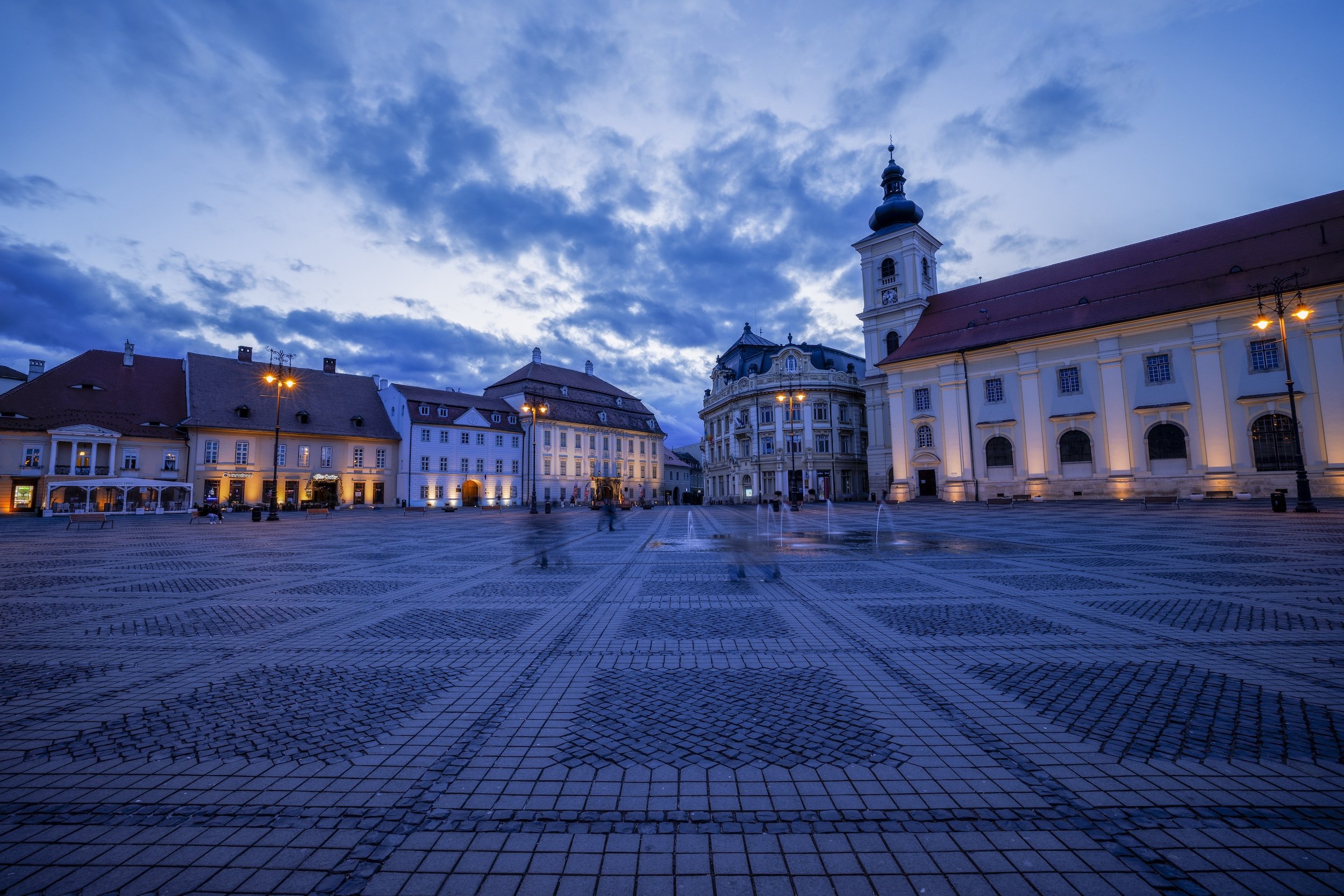
Piața Mare (The Large Square) at dusk in Sibiu, Romania. Photo: Paul Zizka.
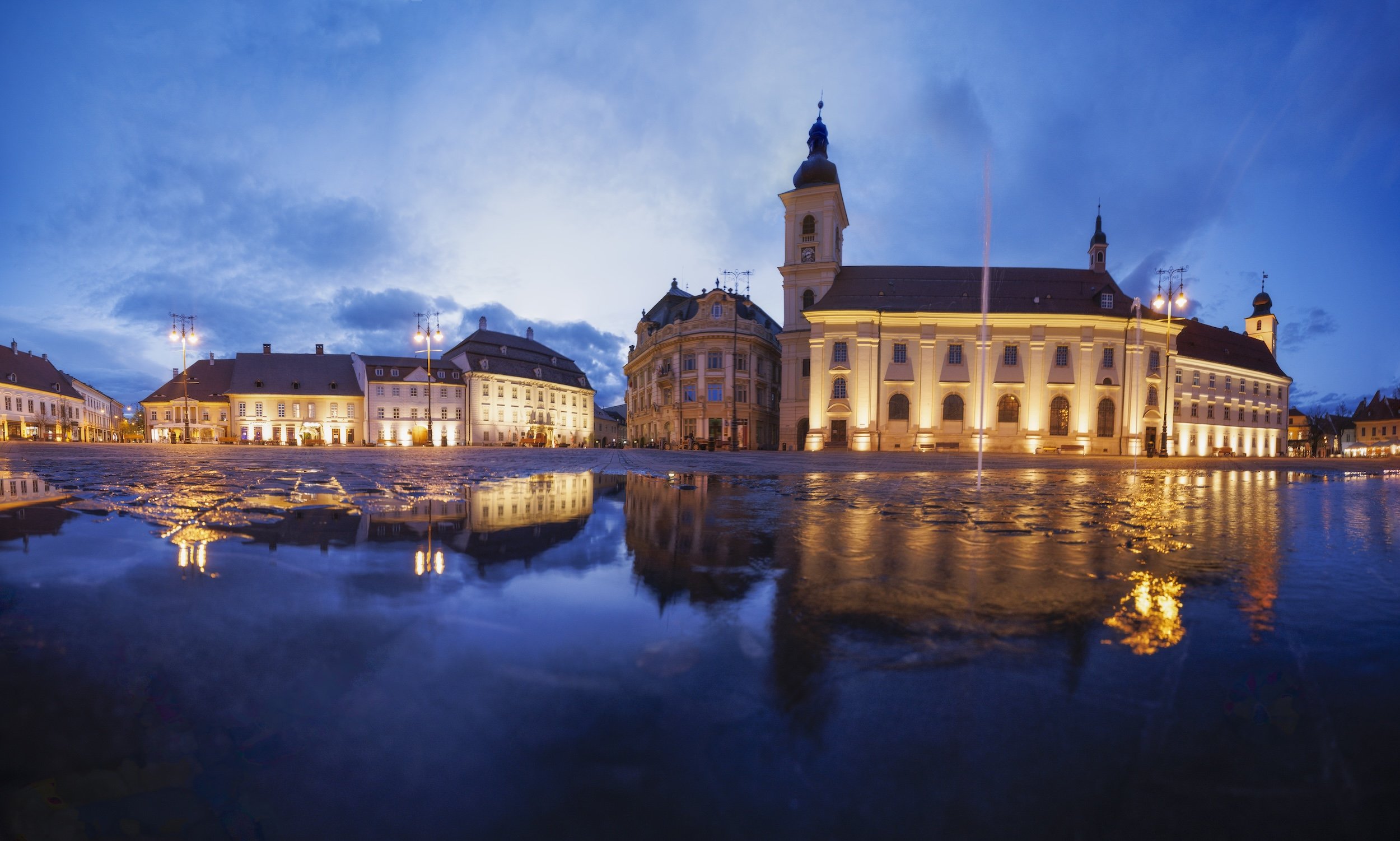
Piața Mare (The Large Square) at dusk in Sibiu, Romania. Photo: Paul Zizka.

“Saint Mary” Evangelical Cathedral of Sibiu, Romania. Photo: Paul Zizka.

Nighttime view from The Bridge of Lies, Sibiu, Romania. Photo: Paul Zizka.
Bulgaria

Belogradchick Rocks and fortress, Belogradchik, Bulgaria. Photo: Paul Zizka.

Belogradchick Rocks, Belogradchik, Bulgaria. Photo: Paul Zizka.

Belogradchick Rocks, Belogradchik, Bulgaria. Photo: Paul Zizka.

My wife Meghan at Belogradchick Rocks and fortress, Belogradchik, Bulgaria. Photo: Paul Zizka.

My wife Meghan at Belogradchick Rocks and fortress, Belogradchik, Bulgaria. Photo: Paul Zizka.
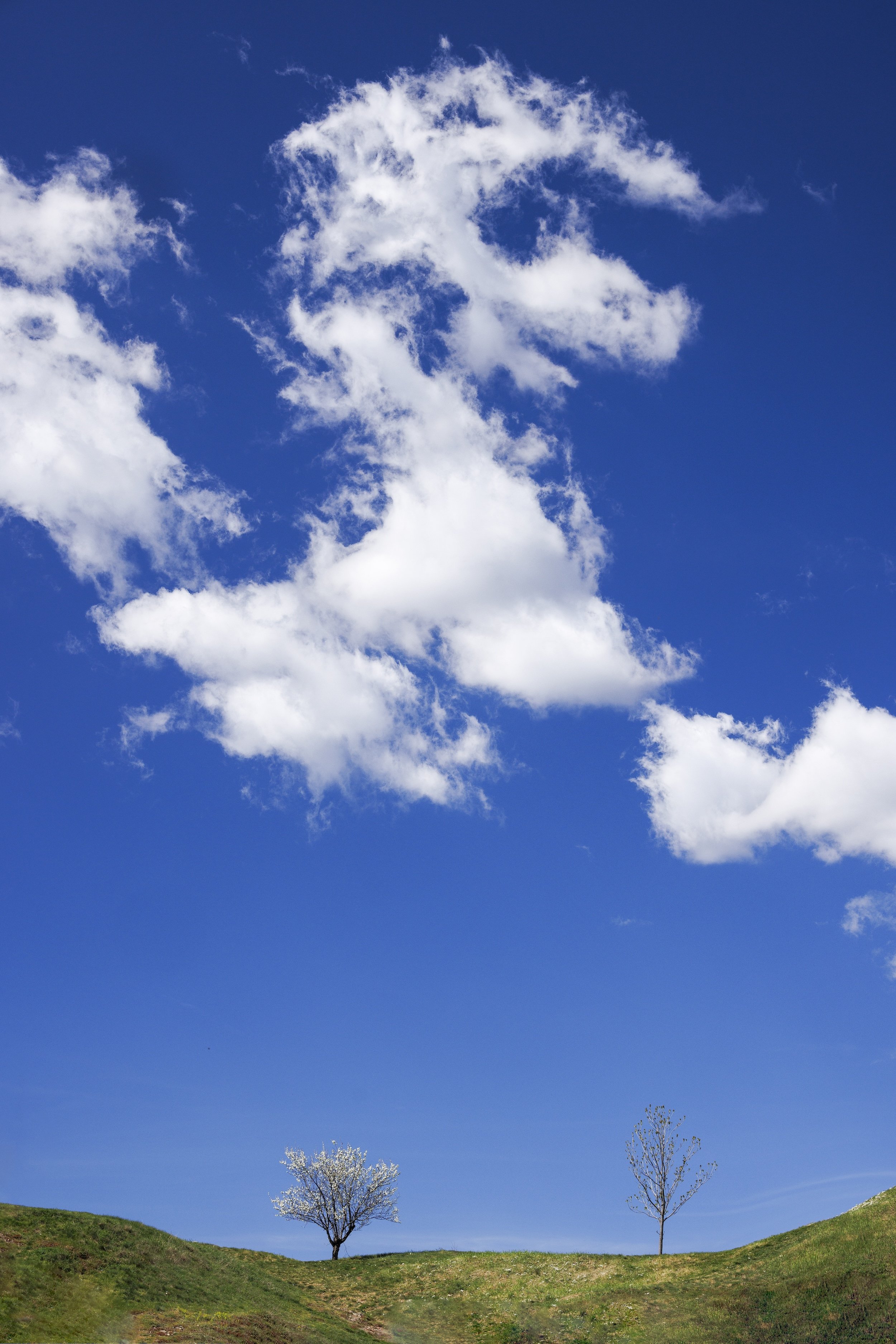
Trees on the skyline at Belogradchik, Bulgaria. Photo: Paul Zizka.

Belogradchick Rocks, Belogradchik, Bulgaria. Photo: Paul Zizka.

Nighttime with my daughter at Belogradchick Rocks and fortress, Belogradchik, Bulgaria. Photo: Paul Zizka.
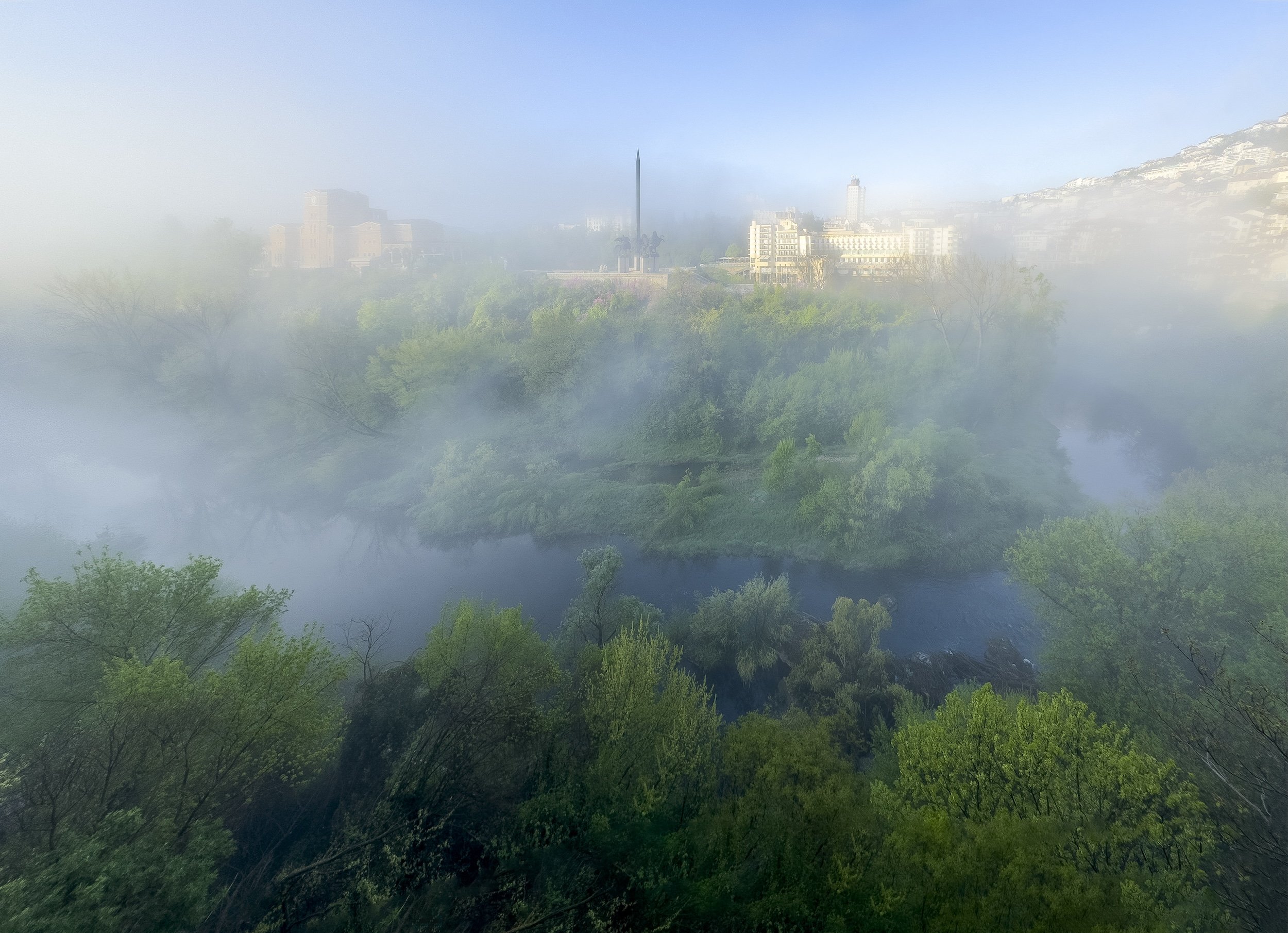
Foggy morning over the Yantra River. Veliko Tarnovo, Bulgaria. Photo: Paul Zizka.
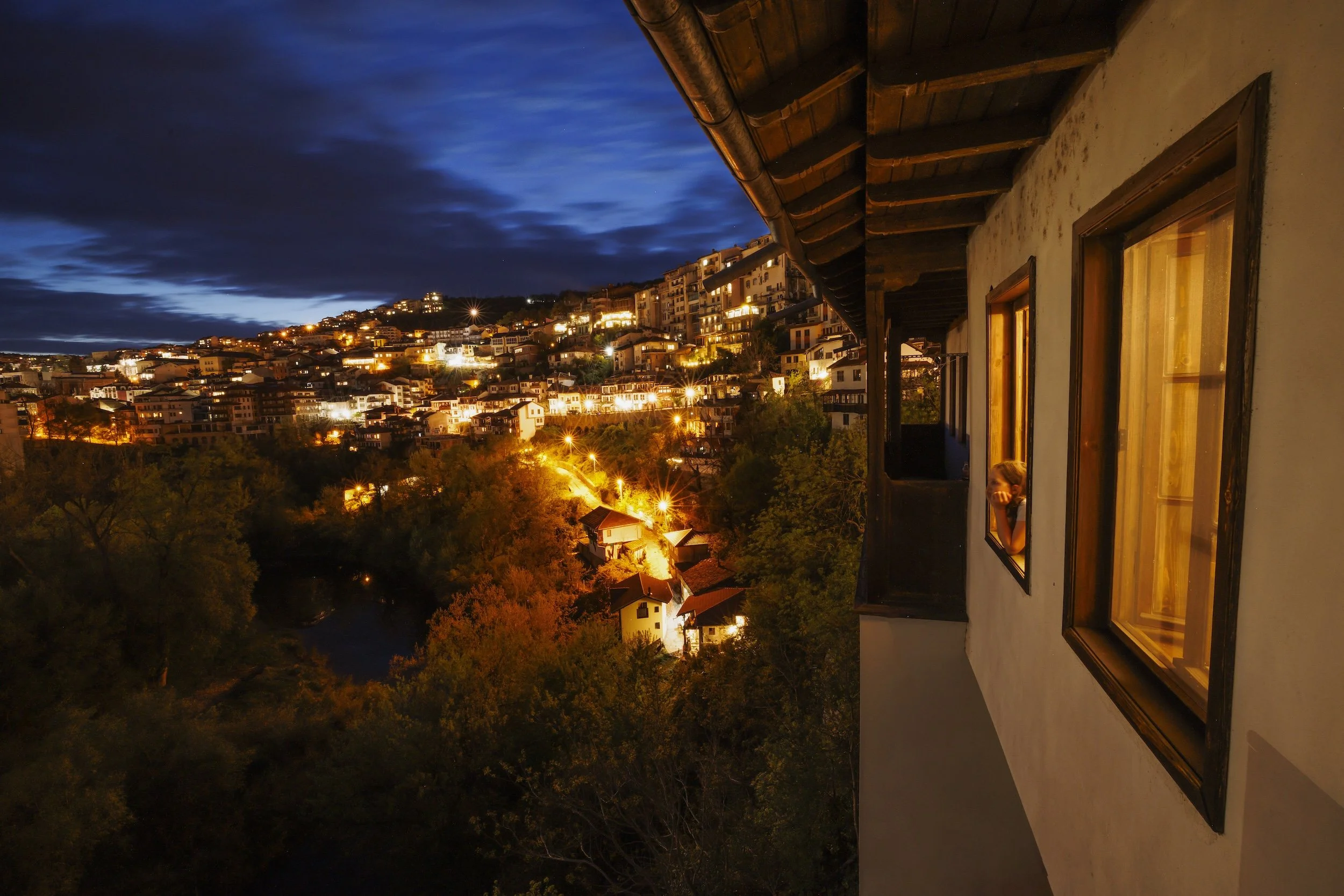
View from our apartment in Veliko Tarnovo, Bulgaria (my daughter gazing out the window there) . Photo: Paul Zizka.
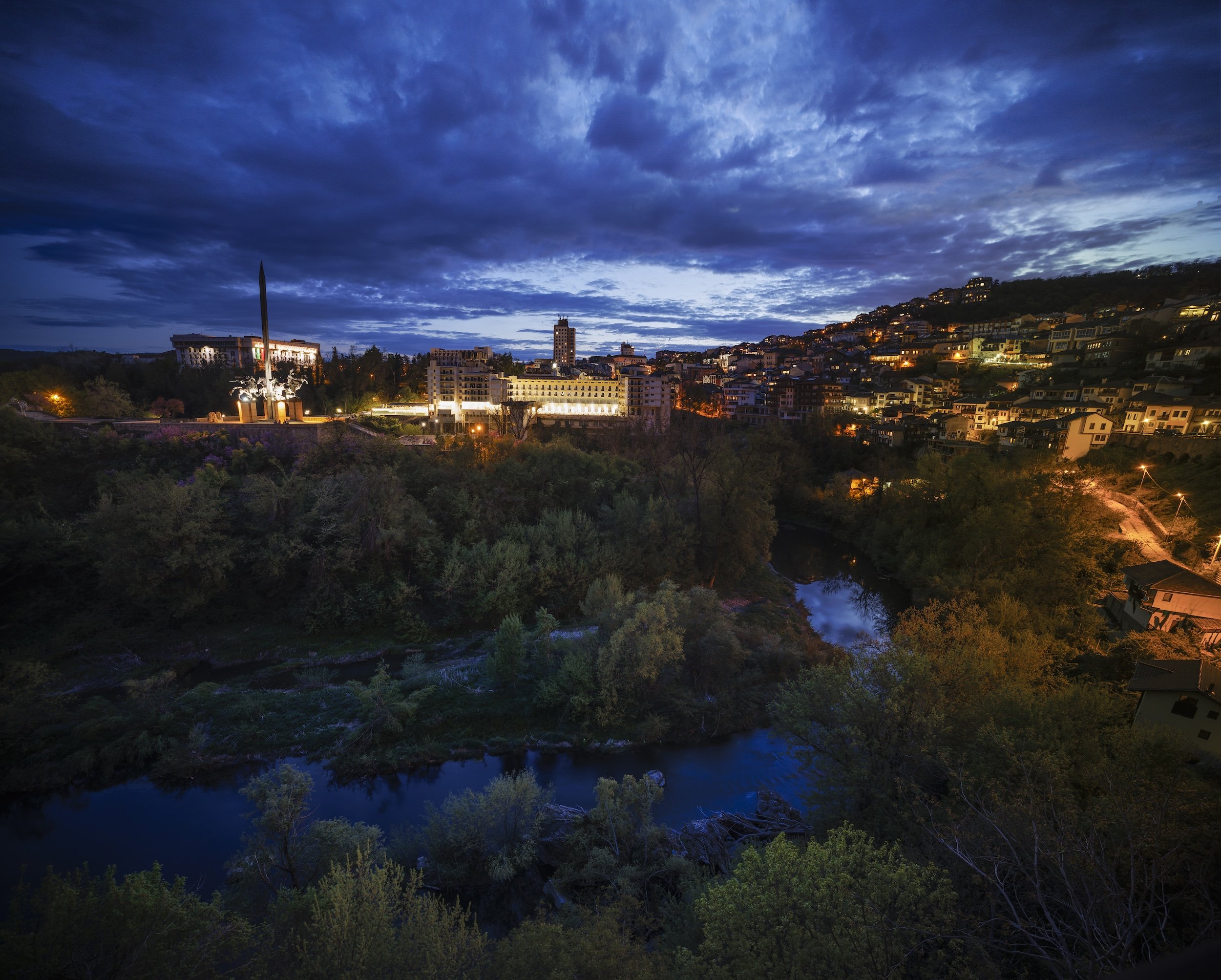
View of the Monument to the Assen Dynasty from our apartment in Veliko Tarnovo, Bulgaria. Photo: Paul Zizka.

Tsarevets Fortress through Jacaranda trees in Veliko Tarnovo, Bulgaria. Photo: Paul Zizka.
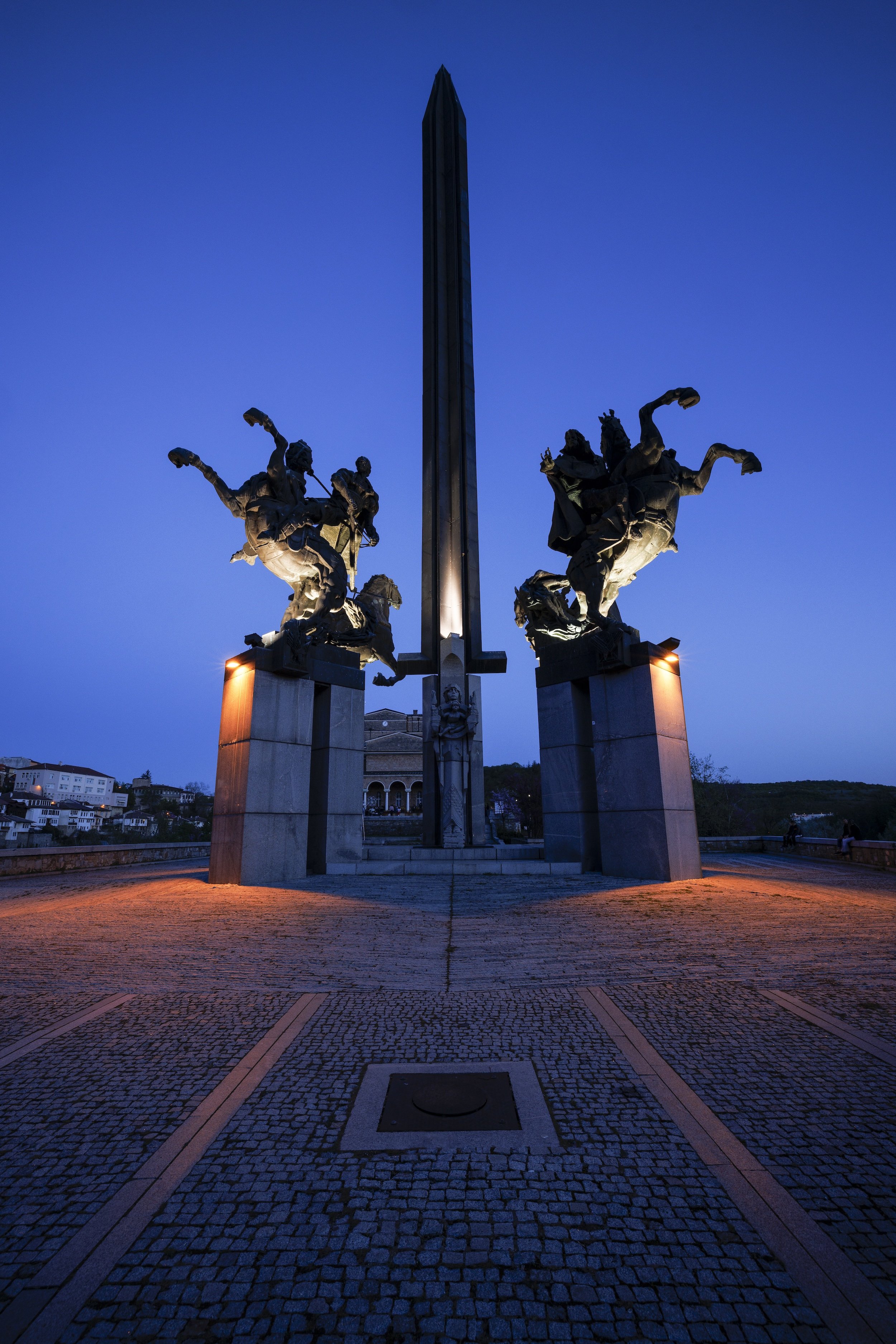
Monument to the Assen Dynasty in Veliko Tarnovo, Bulgaria. Photo: Paul Zizka.

Veliko Tarnovo, Bulgaria. Photo: Paul Zizka.

Tsarevets Fortress in Veliko Tarnovo, Bulgaria. Photo: Paul Zizka.

Sozopol, Bulgaria. Photo: Paul Zizka.

My wife looking out on Sozopol, Bulgaria. Photo: Paul Zizka.

Sozopol, Bulgaria. Photo: Paul Zizka.

My wife looking out on Sozopol, Bulgaria. Photo: Paul Zizka.
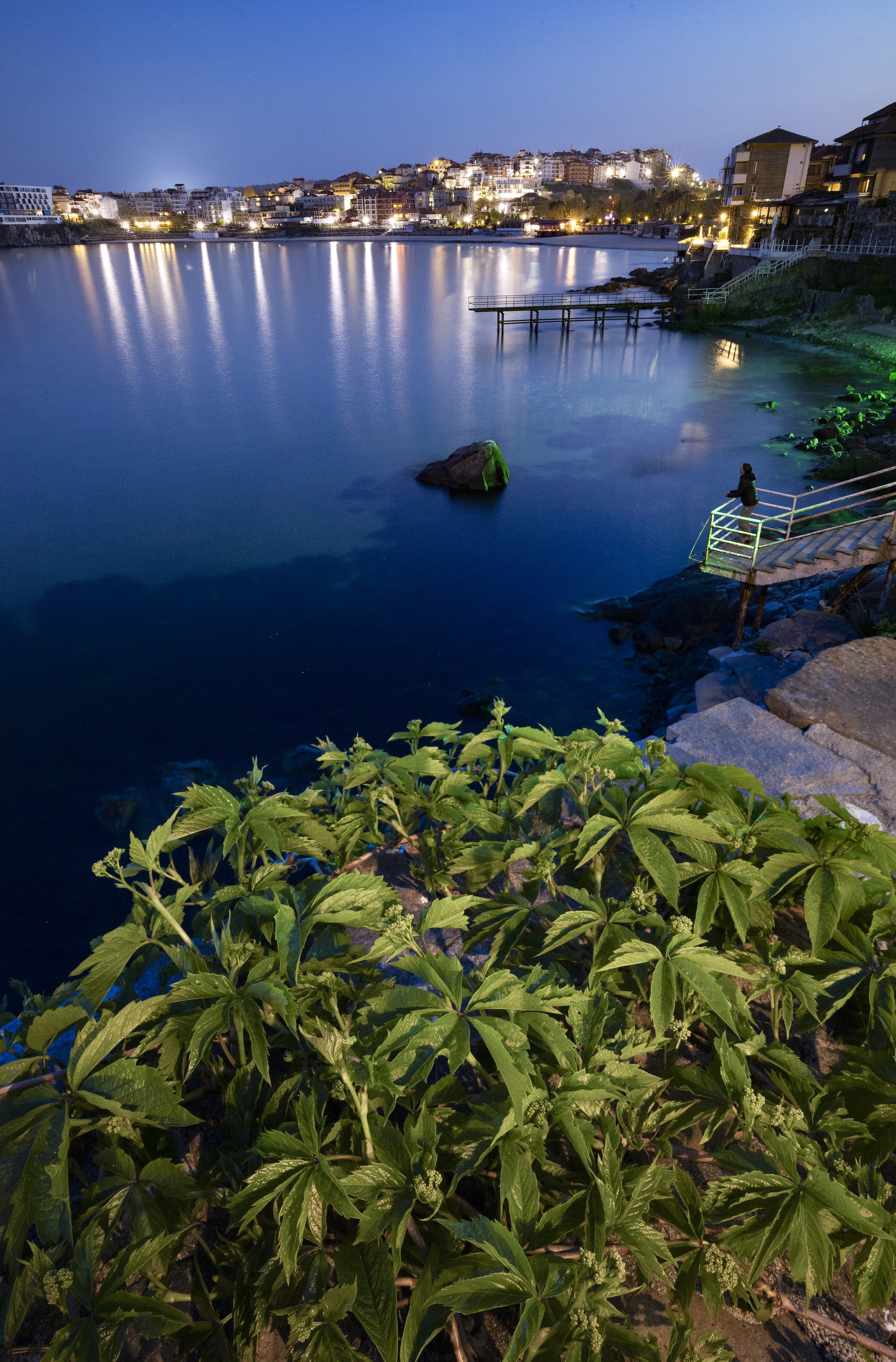
Nighttime in Sozopol, Bulgaria. Photo: Paul Zizka.

Nighttime in Sozopol, Bulgaria. Photo: Paul Zizka.

One of the many cats in Sozopol, Bulgaria. Photo: Paul Zizka.

Madara Rider, a UNESCO World Heritage Site, was created during the first years of the formation of the Bulgarian State, at the beginning of the 8th century. Photo: Paul Zizka.

Spring blossoms of Madara, Bulgaria. Photo: Paul Zizka.

View at the Madara National Historical and Archaeological Park, Bulgaria. Photo: Paul Zizka.

My wife and youngest descend the many steps of the Madara National Historical and Archaeological Park, Bulgaria. Photo: Paul Zizka.

My daughter walks down the steps of the Madara National Historical and Archaeological Park, Bulgaria. Photo: Paul Zizka.
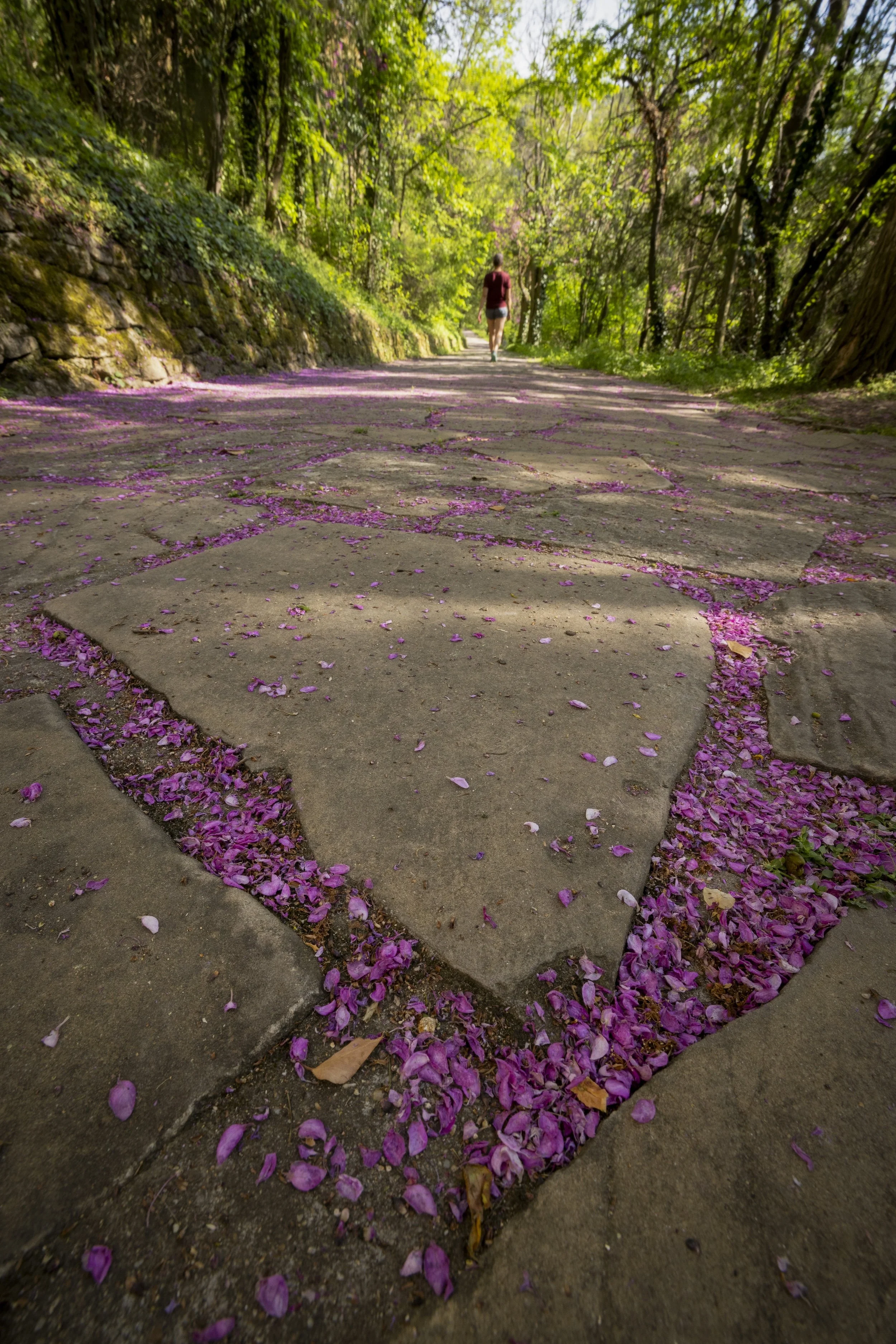
Gorgeous walkways of the Madara National Historical and Archaeological Park, Bulgaria. Model: Meghan J. Ward. Photo: Paul Zizka.

Cave at Madara National Historical and Archaeological Park, Bulgaria. Model: Meghan J. Ward. Photo: Paul Zizka.
All of these images are available for image licensing and limited edition prints. Please contact me to inquire!
Documenting the Sundhnúkagígar Eruption in Iceland
Iceland has long captivated me with its dramatic landscapes shaped by volcanic activity. Even before I became a photographer, I was enthralled by this island. At the conclusion of my undergrad in Earth and Ocean Sciences, I walked across Iceland and became familiar with its rugged terrain. Since then, I have returned several times, including this month when the Sundhnúkagígar eruption occurred.
Iceland has long captivated me with its dramatic landscapes shaped by volcanic activity. Even before I became a photographer, I was enthralled by this island. At the conclusion of my undergrad in Earth and Ocean Sciences, I walked across Iceland and became familiar with its rugged terrain. Since then, I have returned several times, including this month when the Sundhnúkagígar eruption occurred.

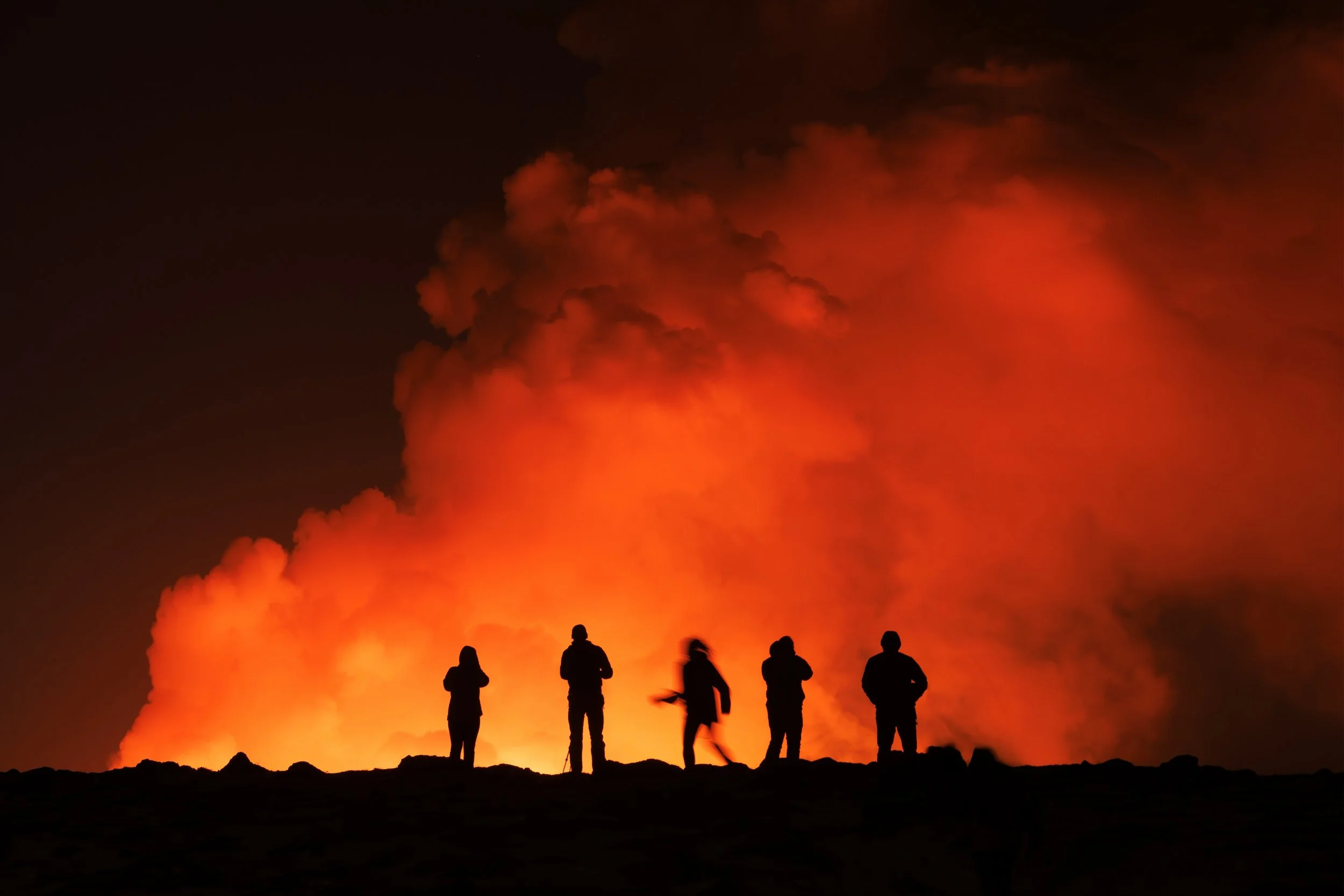
Our OFFBEAT group capturing the eruption later on the day we were evacuated, from a safe distance. Photo: Paul Zizka.
I was staying at the Northern Light Inn with a group, co-leading an OFFBEAT photography workshop, when on our last morning we were awoken very early by the call to evacuate. Just two kilometres away, a volcano erupted along a three-kilometre fissure northeast of Mount Sýlingarfell. We promptly packed our bags and within 20 minutes were walking to our vehicles to join a convoy away from the area. Soon, we got sight of the lava fountains shooting 80 metres into the air. It was an unforgettable experience, and somewhat painful for a group of photographers who would have loved to capture it on camera. But, safety first - we got out and soon after the lava flowed across the road.
CBC’s The National featured the events and a short interview with me on February 12, 2024.
Later, from a safe distance our group was able to observe and photograph the eruption. It will stand as one of the most remarkable and surreal experiences of my life. I am grateful there was no loss of life, though the lava did burst a major water pipeline, leaving several communities on the Reykjanes Peninsula without heat and hot water.
Here are a few more photographs and videos from the events that transpired that memorable experience.
→ I’m heading back to Iceland in 2026 with OFFBEAT! Learn more here and join us for this next adventure!

Workshop participants capturing an unforgettable moment. Photo: Paul Zizka.

A self-portrait taken with the distant lava fountains (Canon RF100-500). Photo: Paul Zizka.
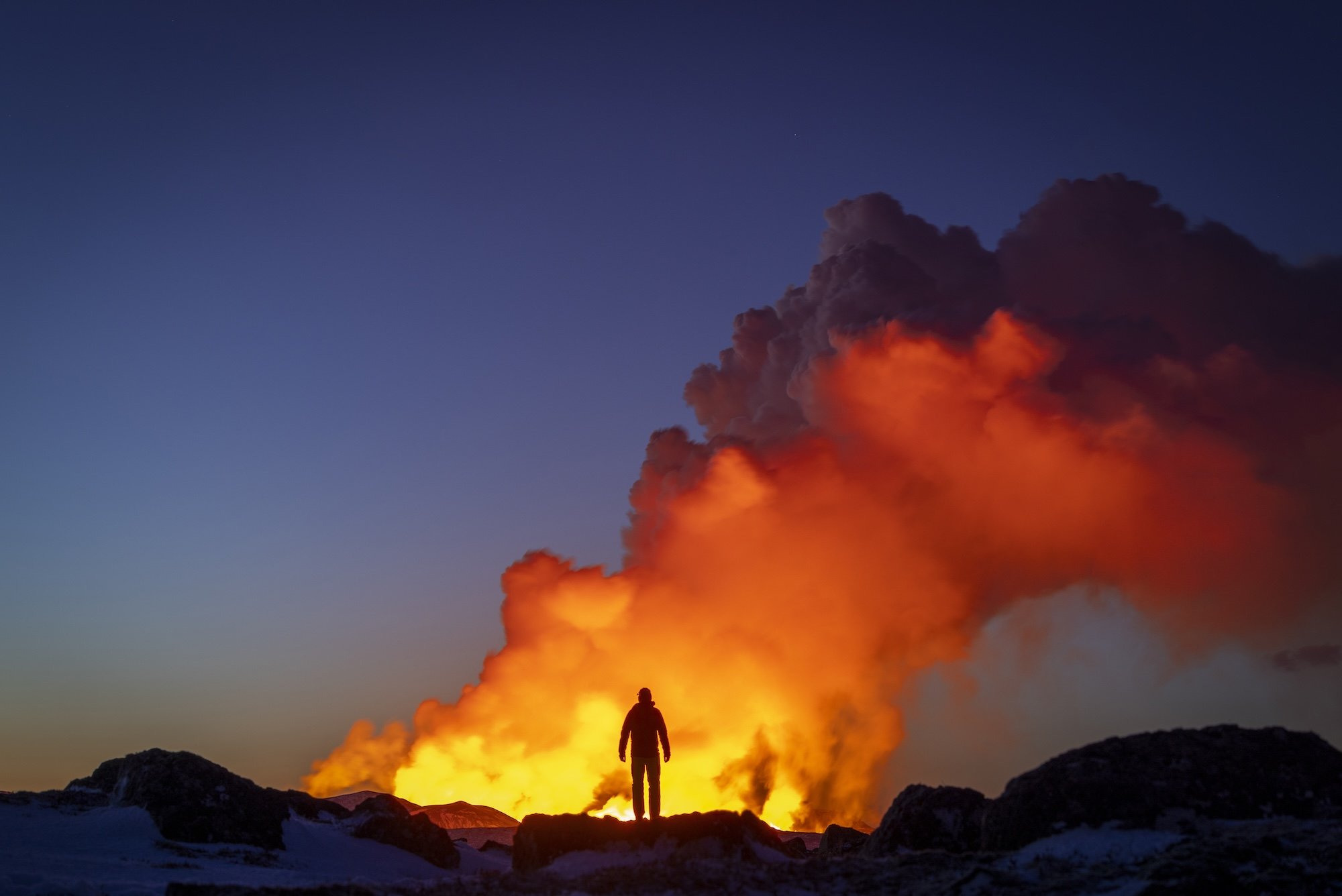
Self-portrait with the Sundhnúkagígar Eruption in Iceland. Photo: Paul Zizka.

Sundhnúkagígar Eruption in Iceland. Model Kris Andrea. Photo: Paul Zizka.
See more in the news:
Iceland's erupting volcano an 'unforgettable' close encounter, says Alberta photographer
If any of these images catches your eye, please reach out to me for any custom print orders. I’m happy to print in a variety of sizes and formats.

Polar Bears and Northern Lights: Photographing in Churchill, Manitoba
Nestled on the edge of the Arctic, where the icy embrace of the Hudson Bay meets the rugged terrain of the Canadian wilderness, lies Churchill, Manitoba. Known as the "Polar Bear Capital of the World" and a prime destination for witnessing the Northern Lights, Churchill had been on my bucket list for years. I was finally able to make the trip in November 2023.
Nestled on the edge of the Arctic, where the icy embrace of the Hudson Bay meets the rugged terrain of the Canadian wilderness, lies Churchill, Manitoba. Known as the "Polar Bear Capital of the World" and a prime destination for witnessing the Northern Lights, Churchill had been on my bucket list for years. I was finally able to make the trip in November 2023.
If something catches your eye, please check out the Limited Edition print collection on the shop (and reach out to me for any custom prints if you don’t see an image there).
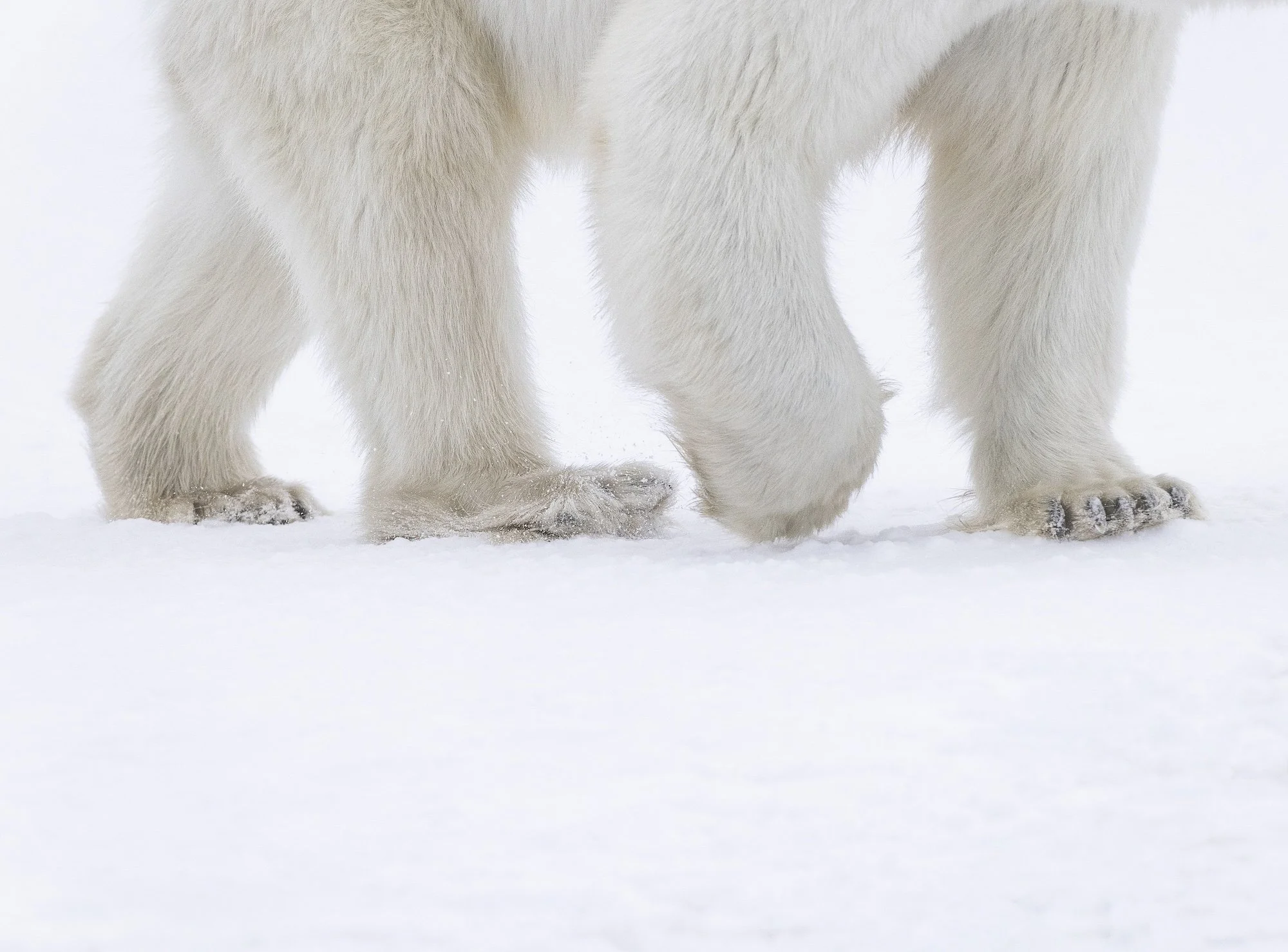
Polar bear walking. Photo by Paul Zizka.

Two polar bears sparring on the tundra. Photo: Paul Zizka.
Housed safely aboard a Frontiers North Tundra Buggy ® I had several days out on the tundra to watch for polar bears, and keep my eyes out for the aurora borealis. Miraculously, everything converged once night and I was able to capture my dream image: a polar bear under the northern lights. What’s more, we had numerous bear sightings, never going more than 10 minutes without seeing one somewhere out there (and often right up next to the buggy).
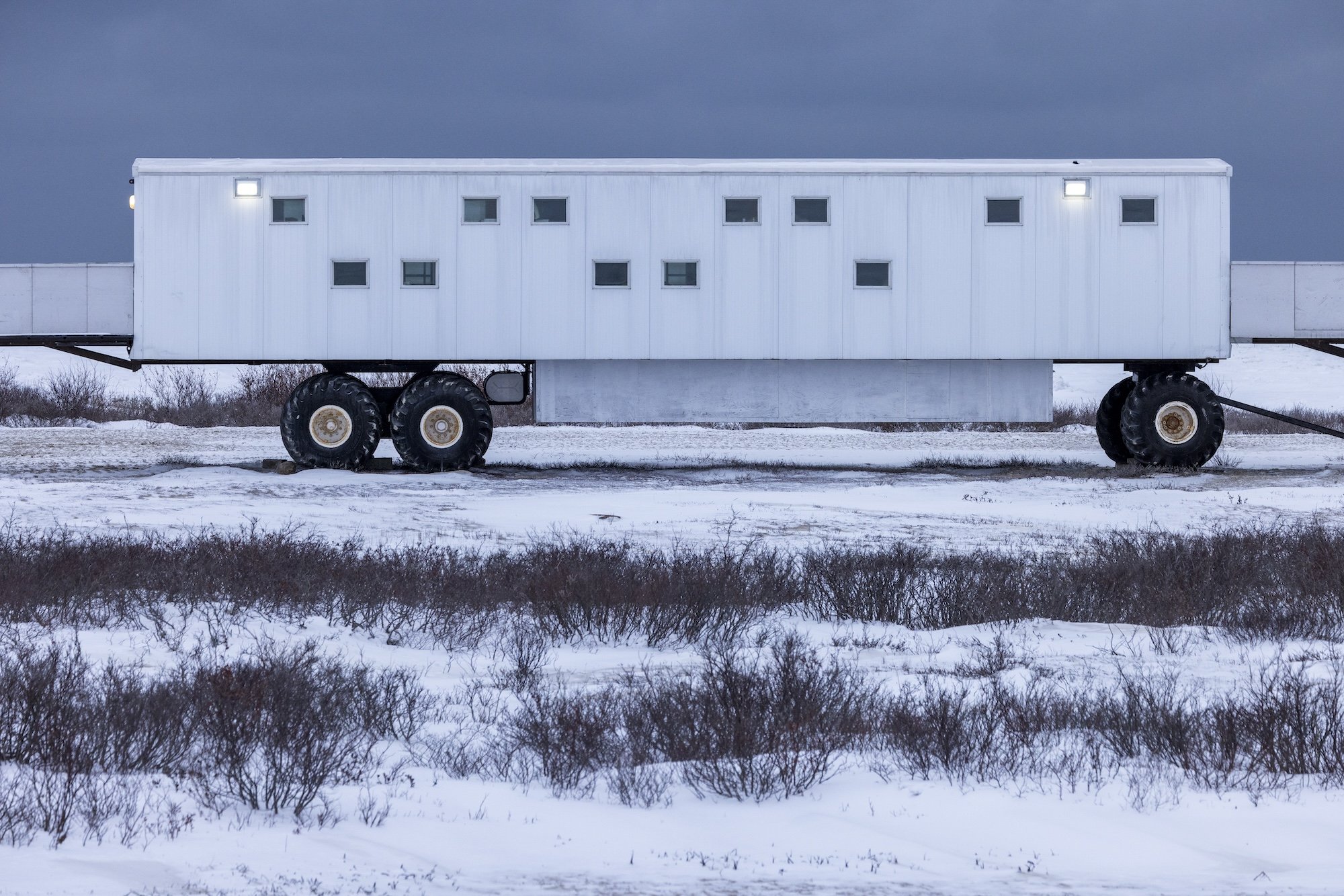
Frontiers North Tundra Buggy. Photo: Paul Zizka.

Tundra Buggies near Churchill, Manitoba. Photo: Paul Zizka.

Sunset over Frontiers North Tundra Buggy. Photo: Paul Zizka.

Curious polar bear in Churchill, Manitoba. Photo: Paul Zizka.

Polar bear snoozing, Churchill, Manitoba. Photo: Paul Zizka.
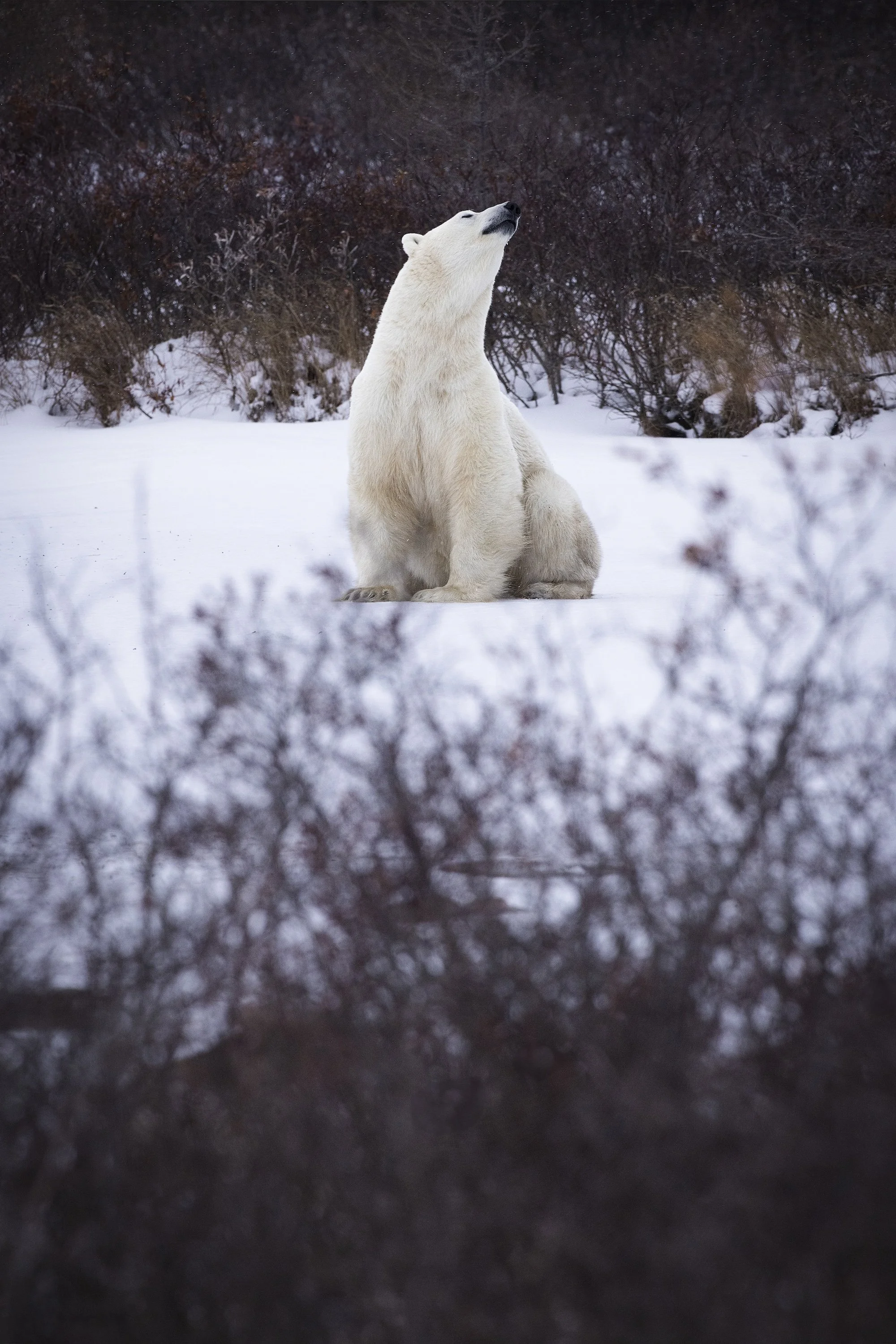
A polar bear strikes a regal pose. Photo: Paul Zizka.
One particularly special encounter was witnessing a mother with three cubs. We witnessed an incredibly intimate moment as she nursed them right there in the land. Sadly, one of the cubs was quite emaciated and had a hard time keeping up with the clan. The group became separated and the cub was left on its own, with very little chance of survival. Such is the life on the tundra, which was both humbling and heartbreaking to witness.

A mother bear and three cubs in Churchill, Manitoba. Photo: Paul Zizka.

Three polar bears cubs on the tundra in Churchill, Manitoba. The left-hand one was markedly smaller. Photo: Paul Zizka.

A mother bear nurses three cubs out on the tundra in Churchill, Manitoba. Photo: Paul Zizka.

A mother bear and three cubs in Churchill, Manitoba. Photo: Paul Zizka.

A mother bear scares away a male on the tundra near Churchill, Manitoba. Photo: Paul Zizka.

Mama bear leads her three cubs with another Tundra Buggy ® in the distance. Photo: Paul Zizka.
The stars aligned one night when the aurora borealis came to dance, and not one but two polar bears showed up at the same time. I frantically ran from one end of the buggy to the other trying to capture the scene as the polar bears moved over the tundra. It was one of those moments that, as a photographer, I needed to rely on my ingrained technical knowledge because I had to work very quickly. I am thrilled to have come away with a few shots.

Polar bear under northern lights near Churchill, Manitoba. Photo: Paul Zizka.

Two polar bears under northern lights near Churchill, Manitoba. Photo: Paul Zizka.

The Frontiers North Tundra Buggy under Northern Lights. Photo: Paul Zizka.
I am so grateful to have finally gotten the chance to photograph these remarkable creatures in Churchill, Manitoba. I hope you enjoy the collection.

A mother and cub polar bear near Churchill, Manitoba. Photo: Paul Zizka.

Polar bears cuddling on the tundra near Churchill, Manitoba. Photo: Paul Zizka.

A mother and cub polar bear near Churchill, Manitoba. Photo: Paul Zizka.
If something catches your eye, please check out the Limited Edition print collection on the shop (and reach out to me for any custom prints if you don’t see an image there).

10 Tips for Cold Weather Photography
It’s an FAQ I get in my DMs regularly: How to make the most of cold conditions, how to plan ahead so that the cold isn’t a deterrent or massive obstacle, and also how to protect camera gear in tough conditions. I thought I’d compile some tips for you all so that you can be ready for cold-weather photography and not be intimidated by the experience. Here goes!
It’s an FAQ I get in my DMs regularly and most recently through my Substack: How to make the most of cold conditions, plan ahead so that the cold isn’t a deterrent or massive obstacle, and also how to protect camera gear in tough conditions. I thought I’d compile some tips for you all so that you can be ready for cold-weather photography and not be intimidated by the experience. Here goes!
1. Bundle up.
With high-performance gear on the market, it's becoming much easier to be reasonably comfortable out there in the cold. Layer your clothing, buy a box of cheap heat packs and keep a box in the car. Activate the heat packs 10-15 minutes before you need them. Even better - get battery-operated hand warmers. And it doesn't matter how warm your body is, if your feet are cold, you won't last very long out there. Invest in a good pair of well-insulated boots, as well as warm socks. Don't worry about what you look like - just stay warm. There are no points for style out there: function over form! Avoid sweating at all costs. Trust me, discomfort leads you to rush through your process, and it will show in your images.
2. Know your gear.
Bone-chilling temperatures are not ideal for figuring out how to bring up your
histogram, how to change shutter speed or operate your tripod. It's all about efficiency out there and it really helps if you're familiar with your gear, and can operate it with gloves on. If you have to, practice changing settings with mitts on in the comfort and warmth of your home.
3. Insulate metal parts.
Touch an aluminum tripod with bare hands in cold weather, and you’ll quickly learn you never want to do it again. If you’d like to save your fingerprints, prep the metal parts of gear that you might be handling without gloves. It's helpful, for example, to cover your tripod legs and knobs with some sort of insulation, such as hockey tape or foam.
4. Battery power.
It's one of my main concerns out there. I always keep two spare batteries in an inner pocket. If you're doing time-lapses or long exposures in very cold temperatures (-30C and below), I would recommend carrying tape or rubber bands so you can place hand warmers close to your battery compartment. Also, consider investing in a battery grip to keep the power going. If you are about to proceed with a time-consuming operation, like star trails or a time-lapse, make a point of switching to a full, warm battery so your process is not interrupted. Put the depleted batteries in a different pocket than the full batteries so you don’t get confused.
5. Use two camera bodies.
Changing lenses can be a real challenge in cold, wintery conditions. Handling gear in the cold is hard enough, but when you change lenses you also risk exposing your sensor to moisture and falling snow. If you have a backup body, consider going out with two cameras so you can shoot at different focal lengths without having to switch lenses.

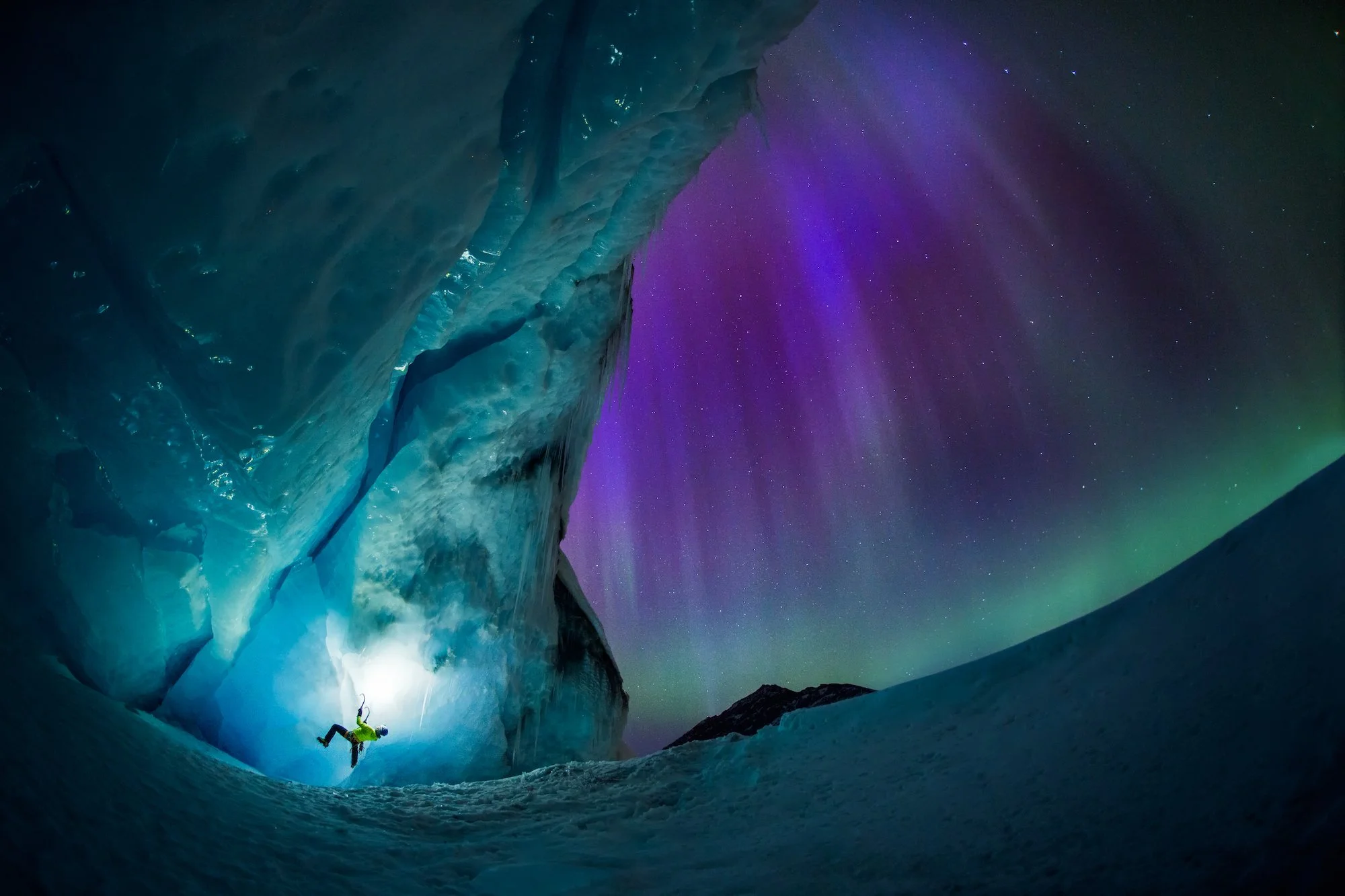
Fellow photographer Lee Nordbye in an ice cave in the Canadian Rockies. Photo: Paul Zizka
6. Watch for moisture.
When pressing the shutter, take care not to exhale near the lens. Look away from the camera, or take a step back, before exhaling. Otherwise, you risk condensation freezing to the surface of your lens instantly. Some companies make dehumidifying lens caps which can help with that problem. Also, it’s not a bad idea to keep silica packs in your camera bag at all times, and to change them occasionally.
Depending on your gear, you may need to be cautious about drastic temperature differences, such as when you return to your heated vehicle, or go back indoors. Before exposing your gear to that warmth, place it in a sealed bag (such as a Ziploc) until it has reached room temperature. This will prevent condensation forming on the camera and lens. Add a silica gel pack to the bag to further cut down on moisture.
7. Keep food and hot drinks handy.
Snacking will keep your body going for much longer in the cold. But if the food is hard to access you might not bother to dig it out. I like to keep something energy-rich in an easily-accessible pocket, such as nuts, dried fruit or chocolate. A thermos of hot, sweet liquid will keep you warm from the inside-out, and help you to avoid some serious consequences of the cold, such as hypothermia.
8. Be patient.
It's easy to throw in the towel when facing adverse conditions. But take it as
an opportunity to showcase your dedication and patience and to refine your systems. Fingers got too cold? Make a note to bring the handwarmers next time. Fiddling with your camera’s menus too much? Get more familiar with your gear. As you encounter hurdles in the field, make mental notes of them so you can address them before your next outing.
9. Embrace discomfort.
No matter what you do, photographing in freezing temperatures will never feel like shooting a sunset on a beach in Jamaica. But often the difference between a good photographer and a great one is the willingness to go through some discomfort to get your images. Work towards spending more and more time out there, and as you walk away with images you like, you'll be more inclined, maybe even excited, to face the cold again.
10. Take advantage of conditions.
Some unique features of the landscape occur only in cold weather – keep an eye out for them! These include methane bubbles in lakes, hoar frost, the interplay of side light and dramatic temperature differences (such as over fog over open water), icicles, long shadows, and the softening effects of an untouched blanket of snow. Sometimes this means venturing out in the coldest temperatures imaginable, but I promise you’ll go home with images you’re proud of.
People of Passion
Here in our mountain landscapes, there exist individuals whose passion is as big as the peaks that cradle them. These intrepid souls are artisans of altitude; their canvas is the very terrain that challenges them. Here are just a few of my favourite images from over the years.
Here in our mountain landscapes, there exist individuals whose passion is as big as the peaks that cradle them. These intrepid souls are artisans of altitude; their canvas is the very terrain that challenges them. As a photographer, I have been fortunate to collaborate with many of them over the years. Each frame I think captures not only the physical prowess of these individuals but also the passion they exude when they are doing something they love. It’s contagious to be around!
I am so indebted to all the amazing people who have been featured in my photographs over the years. It's been one of the great joys of this journey to be able to meet and create with inspiring models of all disciplines. Here are just a few of them:
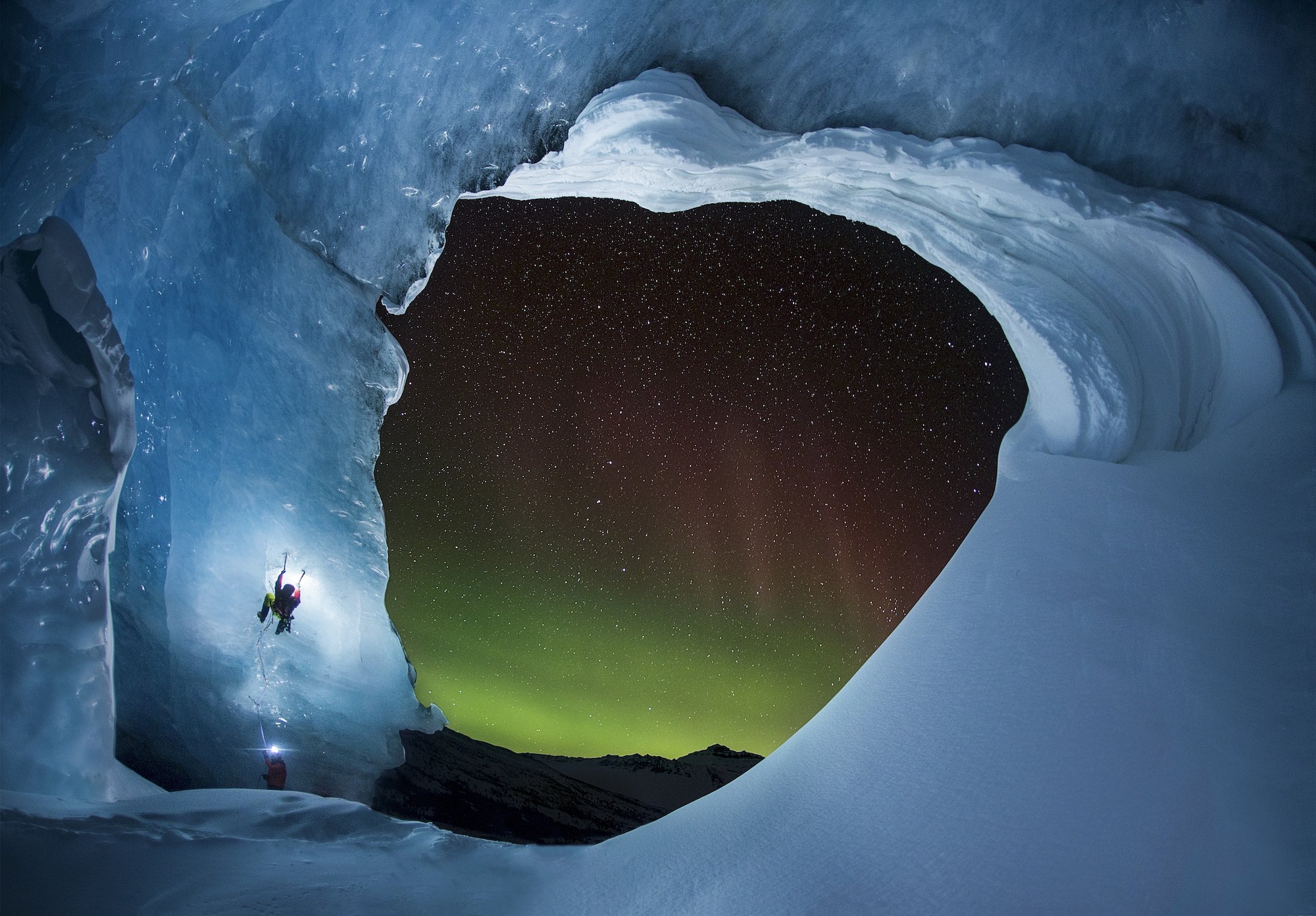
Jeff Thom and Raf Andronowski.

Banhem Harper

Elladj Baldé

Jesse Milner

Bryce Chudak

Sasha Galitzki

Sue Shih

Hanno Sönke

Meghan J. Ward

Dustin Comyn

Vaughn Chipeur
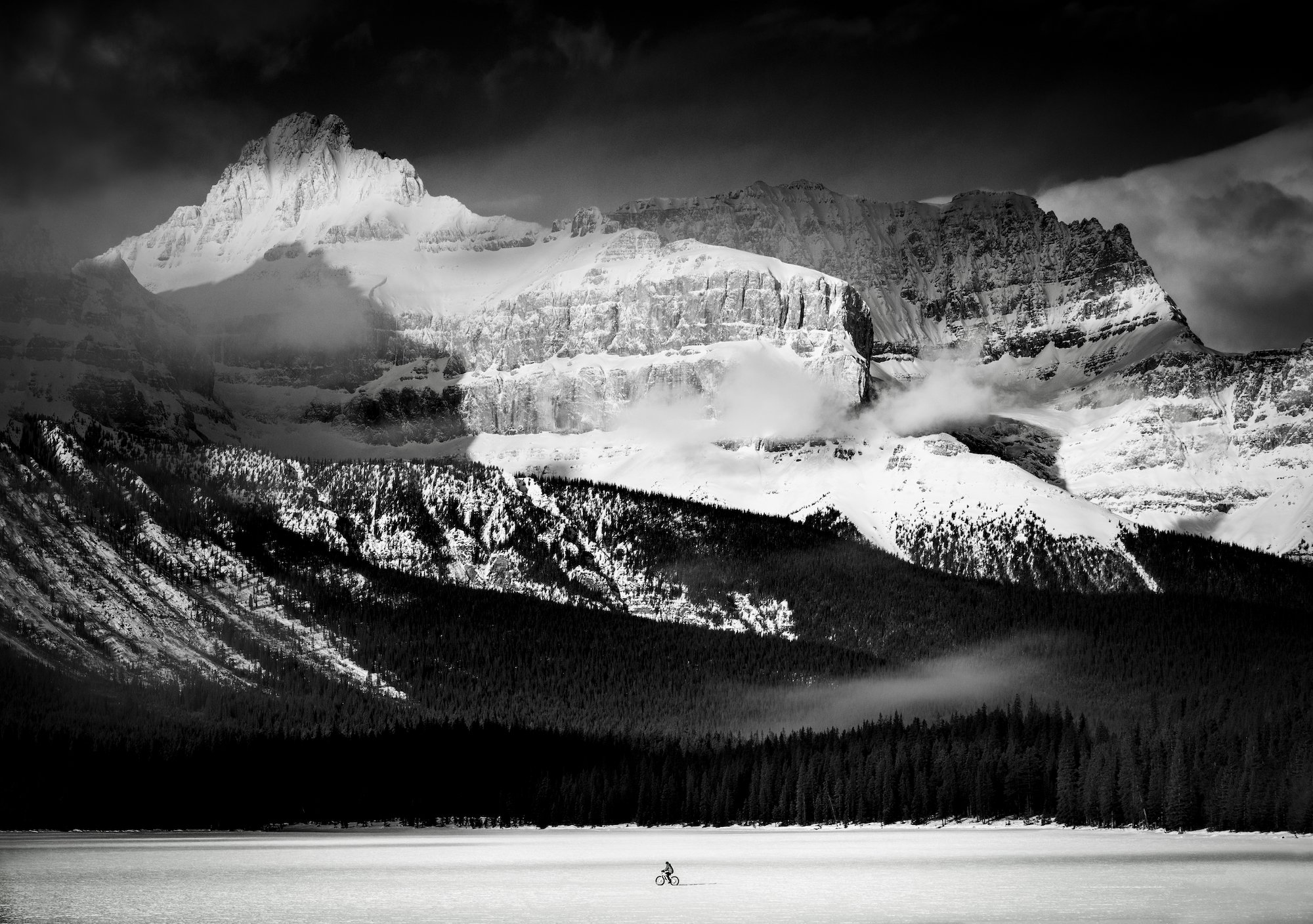
Felix Lee

Carlotta Edwards and Bryce Chudak
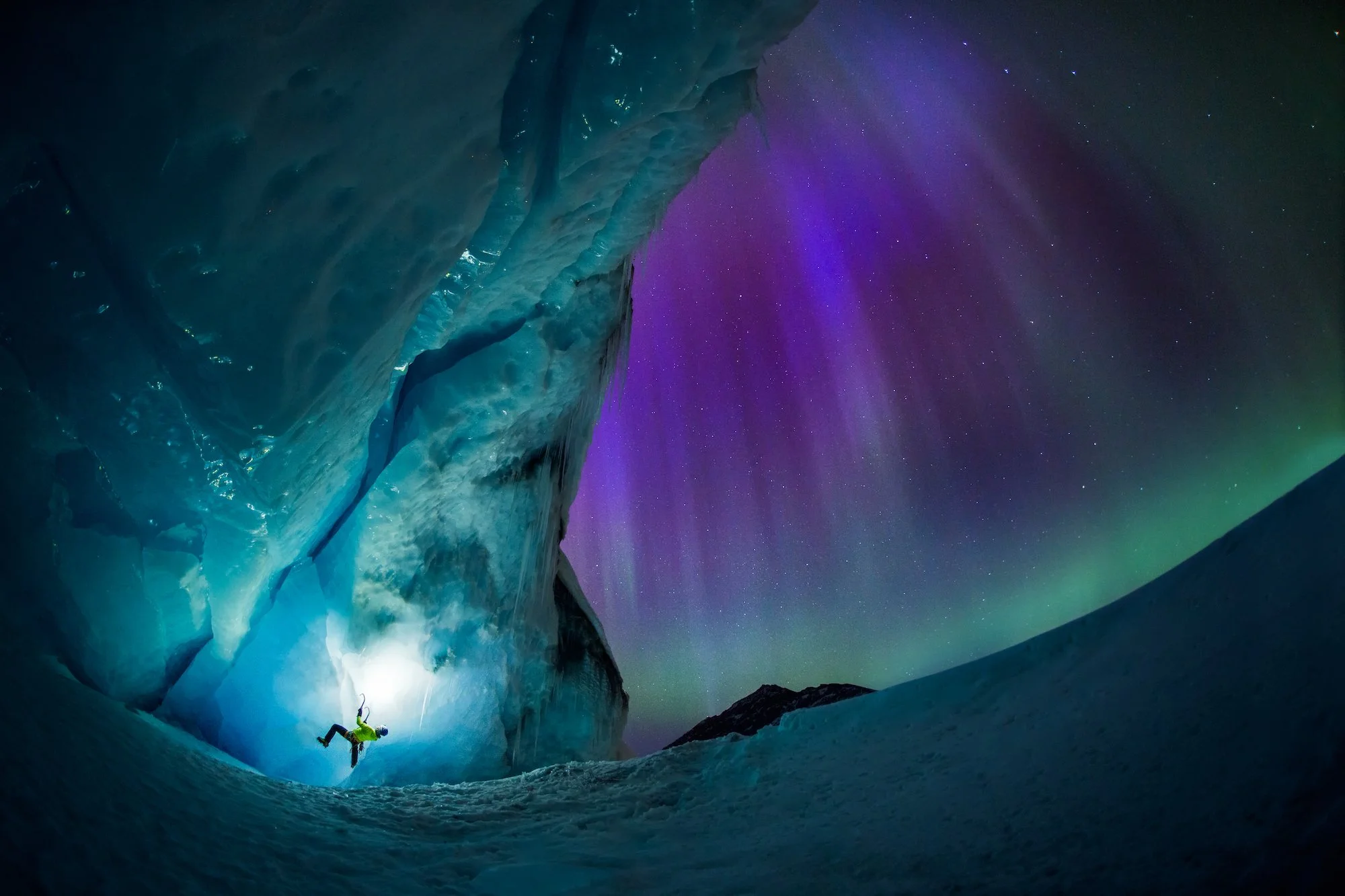
Mike Stuart

Elladj Baldé
Behind the Image: Afloat
I started talking, half-jokingly, about trying to isolate an iceberg, which I know wouldn't be an easy task. But Jesse is always super keen to make my ideas come to life. He suggested that we could isolate an iceberg through a mix of towing and paddling. But, all we had for paddling was a hiking pole. As for towing, he suggested that he could place an ice screw into an iceberg, tie that to a rope and then we would be able to tow it from shore.
This image was taken during a mountaineering trip to the Mons Icefield, which is a sizeable area of ice on the divine (half in Banff National Park, Alberta, half in British Columbia). Mountaineering was the main purpose of the trip, but like all trips I like to take the opportunity for some photography. We spent three days making several ascents in the vicinity of the lake you see in the shot. And of course, we had vantage points of that lake from various summits around it.

We thought if there was time after we summited the various peaks we would just go chill by the lake, relax a bit and see if we could get creative with the camera. So, after our sixth ascent, it was early afternoon and we decided to stop by the lake on our way back to Mons Hut. There wasn’t anything specific I had in mind, but I absolutely love to photograph ice. When you have icebergs, mountains and glaciers, and you mix all that together with a model as keen as Jesse, you have all the ingredients to get something pretty cool (despite the harsh light conditions!).
We shot a variety of ideas involving Jesse and Mons Peak in the background and the lake and the icebergs. But I thought it would be cool to create an image where Jesse would be adrift on an iceberg, partly because I like those types of shots that are a little bit puzzling for the audience. Also, I have a pretty large collection of images of people stranded on little islands or icebergs.
I also wanted to create an image that leaves something to interpretation. In this case, that’s a vague commentary on the changes in the climate and glaciers and the way humans are impacted by that. Perhaps we are unknowingly (and in some ways knowingly) drifting into uncharted territory, on the world’s last little piece of ice. Or maybe the person is so engrossed in what they are doing that they didn’t notice winter had run out.
The lake itself is a feature that’s temporary, which makes it all the more exciting to work with.
As far as this specific image is concerned, the icebergs were plentiful but the wind had piled them all up together at one end of the like. It was quite a cluttered scene. My main concern right away from a composition standpoint was trying to simplify the scene.
I started talking, half-jokingly, about trying to isolate an iceberg, which I know wouldn't be an easy task. But Jesse is always super keen to make my ideas come to life. He suggested that we could isolate an iceberg through a mix of towing and paddling. But, all we had for paddling was a hiking pole. As for towing, he suggested that he could place an ice screw into an iceberg, tie that to a rope and then we would be able to tow it from shore.
So we tried to find a piece of ice and what transpired after was pretty comical. First, we needed a piece that was not too big, not too small. If it was too big it would snag on the bottom of the lake all the time. If it was too small, it wouldn’t support Jesse’s weight. We also needed to find an iceberg that Jesse could get onto from the shore somewhat easily.
So Jesse got on there and then through a mix of towing and paddling (and you'll see that in the behind-the-scenes), he eventually managed to drift away from the other icebergs, therefore simplifying the scene quite a bit.


I had Mons Peak and lots of ice, which was a prominent background. So I wanted to make Jesse pretty small to convey the scale. I opted to shoot from a little higher up the bank, a little bit further from Jesse, and with a bit of a wider lens. I didn’t want to go too wide so that the background would still be quite prominent. When you shoot too wide, the mountains get very, very small and you lose that feeling of awe in the shots.
I placed Jesse right in the middle to align with Mons Peak. He kept drifting around so it was up to me to travel up and down the shore to try to keep him aligned. And then we tried a variety of body positions.
I shot lots of variations of this image but this was the short I liked the best. In the end, I felt that it conveyed the vision that I'd had on the shore prior to messing with the icebergs. And I thought it was a unique image of a feature that probably won't exist for very much longer.
Eventually, after a few attempts, Jesse managed to tie his hiking pole to the rope that he had with him, then threw his hiking pole onto the shore to a location where I was able to grab it. I pulled him back home to wrap up a little creative — and comical — session.
Settings:
Canon R5
Canon 15-35mm
f/2.8 lens
f/16
ISO 400 1/200s

Road Trip Through the Baltics: Lithuania, Latvia and Estonia
Back in April, my family did a road trip through the Baltic nations of Lithuania, Latvia and Estonia. Here are some images from this remarkable (and beautiful!) part of the world.
Every year, my wife and I take our kids abroad. As the kids get older, we’ve been able to start embarking on trips that really keep us on our toes. After a few years of staying in the same place for longer, we’ve started to move around more when we travel, which requires some quick adaptations to languages and customs with each new place we explore. Back in April we took a family road trip through the Baltic nations of Lithuania, Latvia, and Estonia, and brought my dad along for what was a wonderful and adventurous ride.
The Baltic region is located in Northeastern Europe, bordered by the Baltic Sea, Russia, Poland and Belarus. Its proximity to mainland Europe, Russia, and Scandinavia infuses the region with unique influences, which comes out strongly in the local languages, food and social customs. The landscape is largely farmland or forest, with pristine lakes and rivers and a long coastline along the beautiful Baltic Sea. Historic towns, like Tallinn, Estonia, are from medieval times and recent restoration efforts make you feel like you’re stepping into a storybook!
Truthfully, I wasn’t very familiar with the region before we visited, which made for a wonderful learning experience for us all. The histories of these three nations vary, of course, but all involve a complex layering of cultural developments, conflicts and recovery. Today they are increasingly popular for tourism, but as we were visiting in the off-season we were often by ourselves in many places.
Our itinerary took us from Klaipeda, Lithuania, through to Sigulda, Latvia, (in Gauja National Park) to Tallinn, Estonia. Here is a sampling of the images I took in the Baltics from my more dedicated photography sessions (the rest can be viewed on my Stock site).

Meghan J. Ward running on a beach on the Curonian Spit, Lithuania. Photo: Paul Zizka

Cormorant at the Cormorant and Heron colony near Juodrantė, Lithuania. Photo: Paul Zizka

Palanga Beach, Lithuania. Photo: Paul Zizka

Hill of Crosses near Šiauliai, Lithuania. Photo: Paul Zizka

Dobele Evangelical Lutheran Church, Dobele, Latvia. Photo: Paul Zizka

Academia Petrin, Jelgava, Latvia. Photo: Paul Zizka

Dobele Castle Ruins, Dobele, Latvia. Photo: Paul Zizka
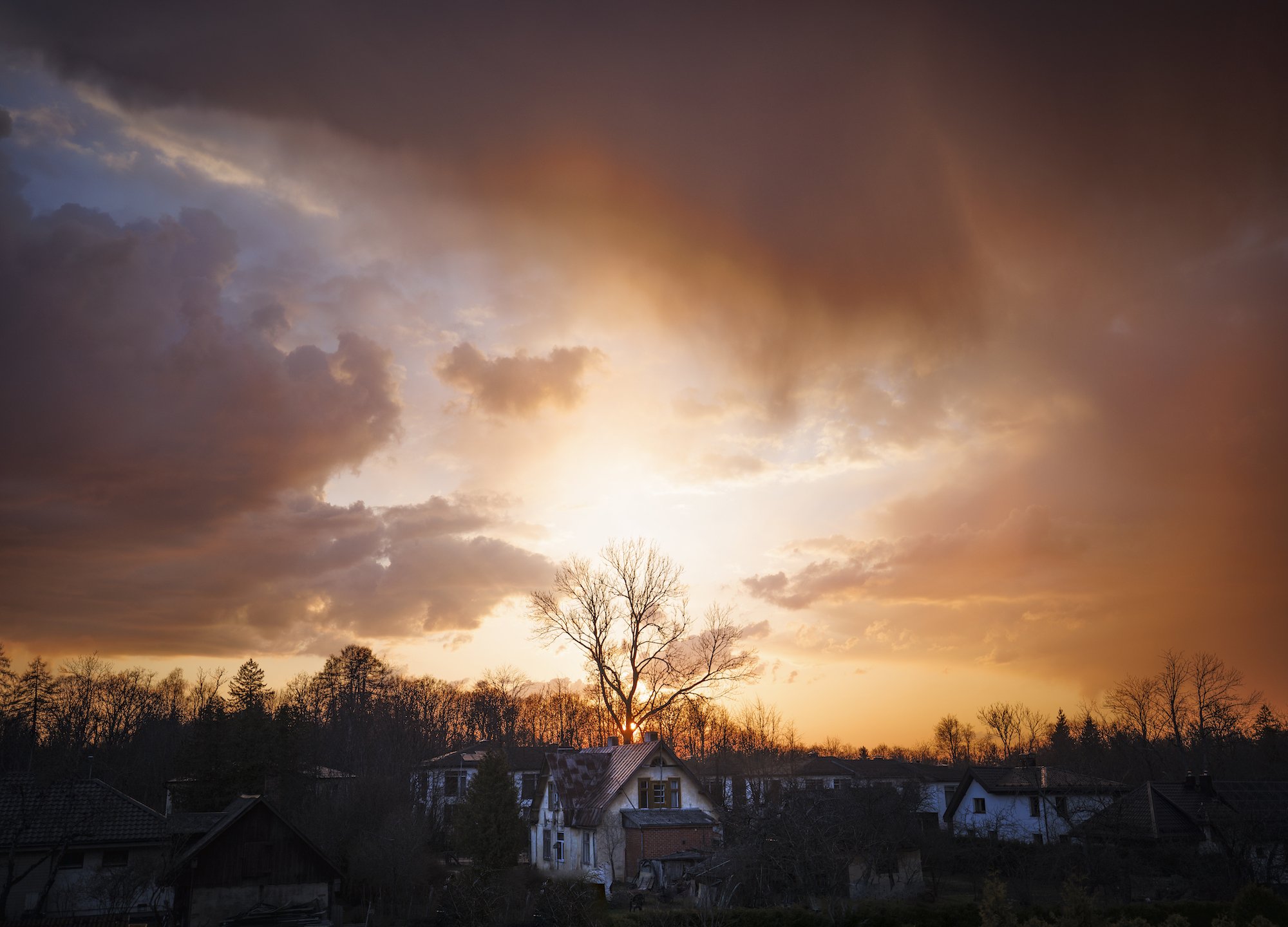
Sunset over Sigulda, Latvia. Photo: Paul Zizka

Tea-coloured Amata River, Gauja National Park, Latvia. Photo: Paul Zizka

Relaxing by the Amata River, Latvia. Photo: Paul Zizka

Water play in the Amata River, Gauja National Park, Latvia. Photo: Paul Zizka
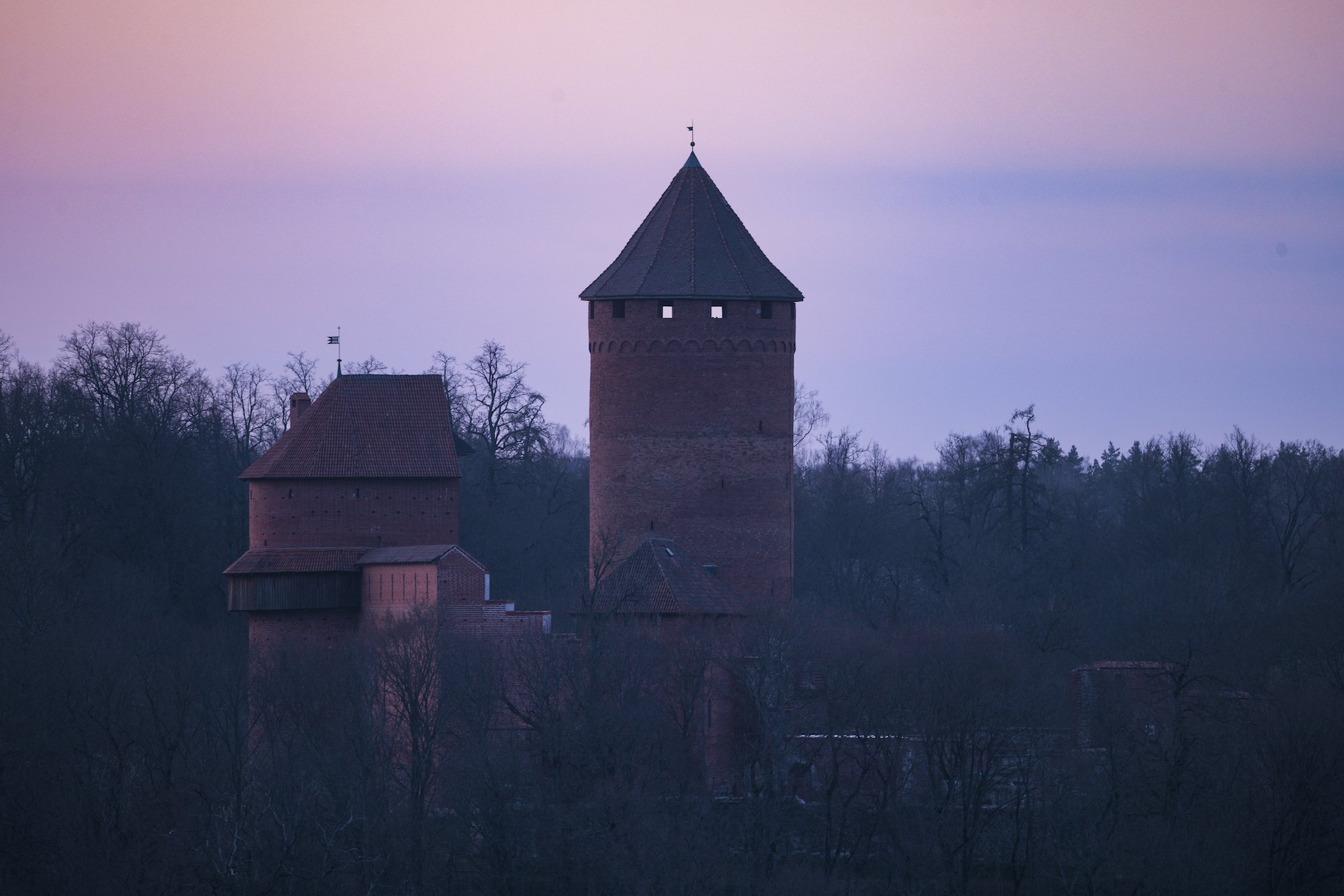
Turaida Castle Museum, Sigulda, Latvia. Photo: Paul Zizka

Interior, Sigulda New Castle, Sigulda, Latvia. Photo: Paul Zizka

Bridge over the Gauja River, Sigulda, Latvia. Photo: Paul Zizka

Relics near Ligatne, Latvia. Photo: Paul Zizka

Self-portrait at Gutman's Cave, Gauja National Park, Latvia. Photo: Paul Zizka

Peaceful morning at the Gulf of Riga, Veczemju klintis, Latvia. Photo: Paul Zizka

Meghan J. Ward at Veczemju klintis, Latvia. Photo: Paul Zizka

Kids playing at Veczemju klintis, Latvia. Photo: Paul Zizka
Blue hour over the medieval city of Tallinn, Estonia. Photo: Paul Zizka

Aleksander Nevski katedraal, Tallinn, Estonia. Photo: Paul Zizka

A late-night walk through the Old Town with Meghan J. Ward, Tallinn, Estonia. Photo: Paul Zizka

Spooky scene in the Danish King’s Garden, Tallinn, Estonia. Photo: Paul Zizka

Old Town Square, Tallinn, Estonia. Photo: Paul Zizka

Rooftops, Old Town Tallinn. Estonia. Photo: Paul Zizka

Late-night flower stands. Tallinn, Estonia. Photo: Paul Zizka
All of these images are available as custom limited edition prints.
The Wild Santa Series
He may be plump and jolly, but this big guy can do a whole lot more than just ride a sleigh all over the world in one night. He’s been spotted in the Canadian Rockies on several occasions (hard to miss, he’s always wearing bright red), but you might be surprised at what he’s been up to when he’s not delivering toys…
He may be plump and jolly, but this big guy can do a whole lot more than just ride a sleigh all over the world in one night. He’s been spotted in the Canadian Rockies on several occasions (hard to miss, he’s always wearing bright red), but you might be surprised at what he’s been up to when he’s not delivering toys…
No AI at work here.
Thanks to everyone who has helped me create this Wild Santa series over the years - a tradition first started back in 2014. 😉

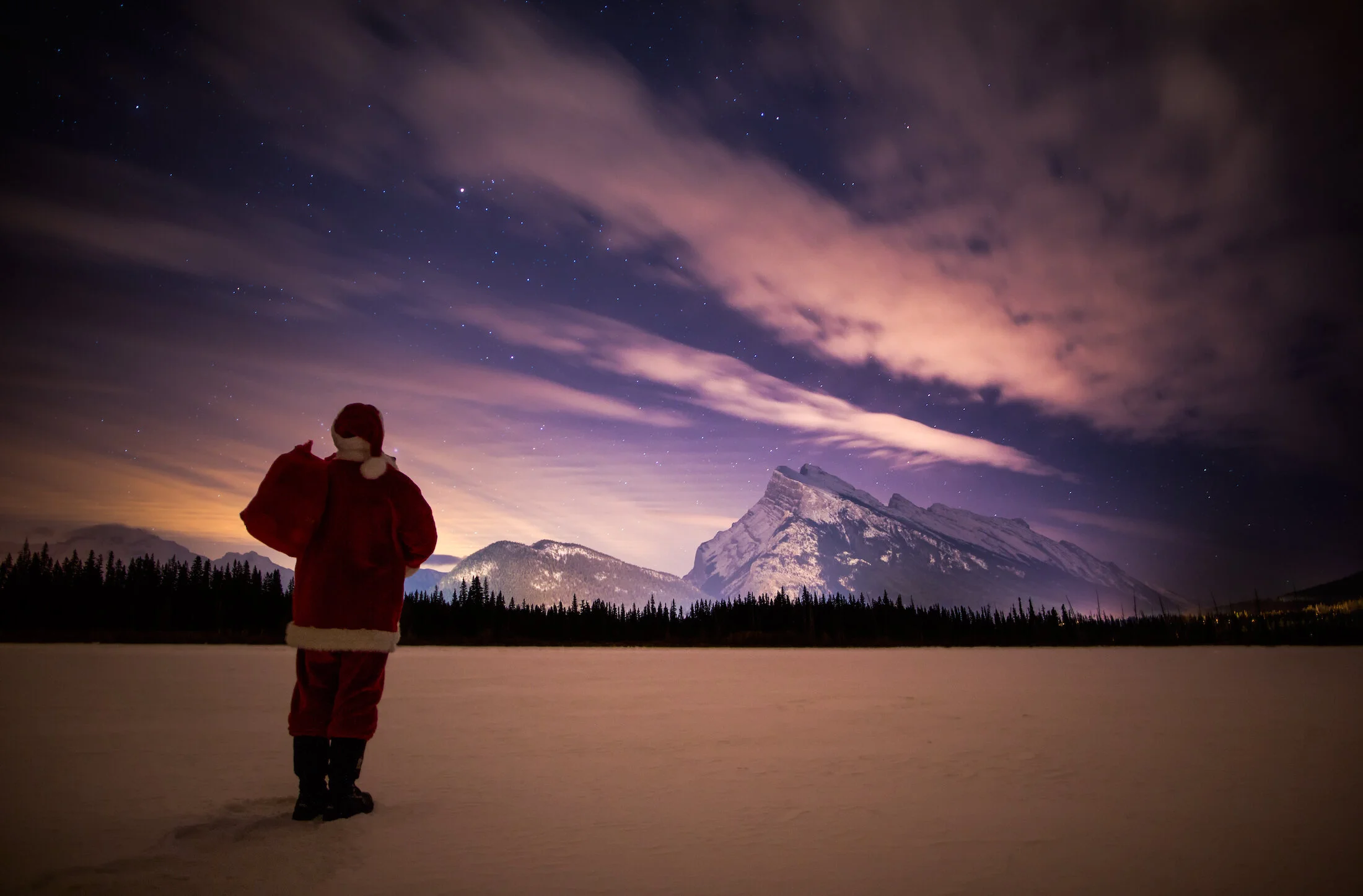
Santa burning off some cookies at Vermilion Lakes. Model: Kristen Thorogood. Photo: Paul Zizka Photography.

He sees you when you’re skating. Model: Magali Cote. Photo: Paul Zizka Photography.

Christmas Eve in Banff, Alberta. Model: Self-portrait. Photo: Paul Zizka Photography.
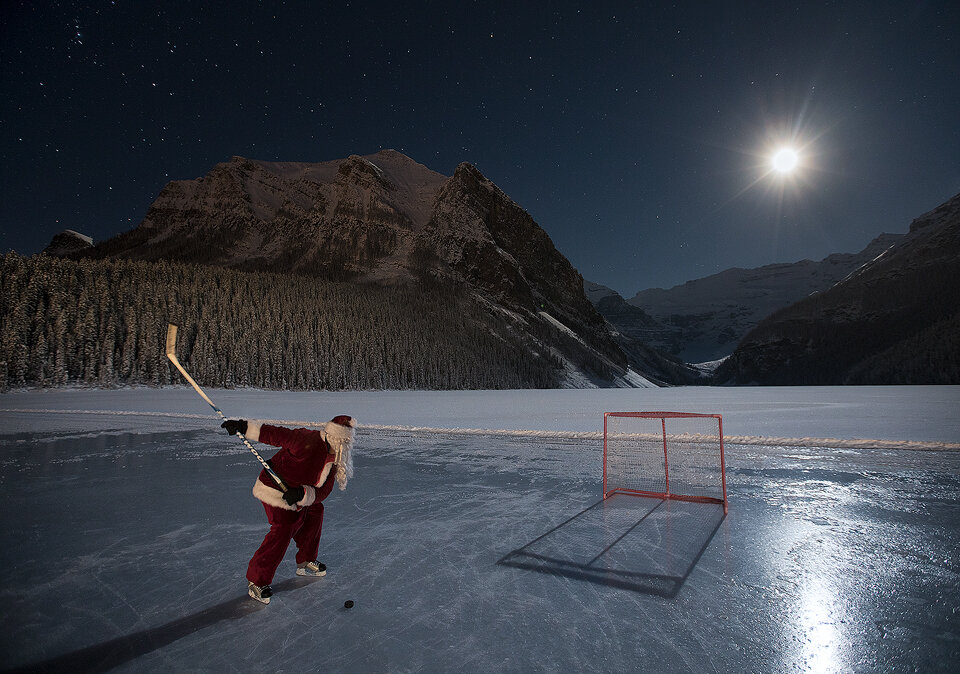
While you were sleeping…. hockey on Lake Louise, Alberta. Model: Lee Nordbye. Photo: Paul Zizka Photography.

Santa takes a break from kids sitting on his knee and goes for a SUP. Model: Sue Shih. Photo: Paul Zizka Photography.

Training for chimney climbing. Model: John Price. Photo: Paul Zizka Photography.

Mrs. Claus takes over in Banff, Alberta. Model: Davina Bernard. Photo: Paul Zizka Photography.
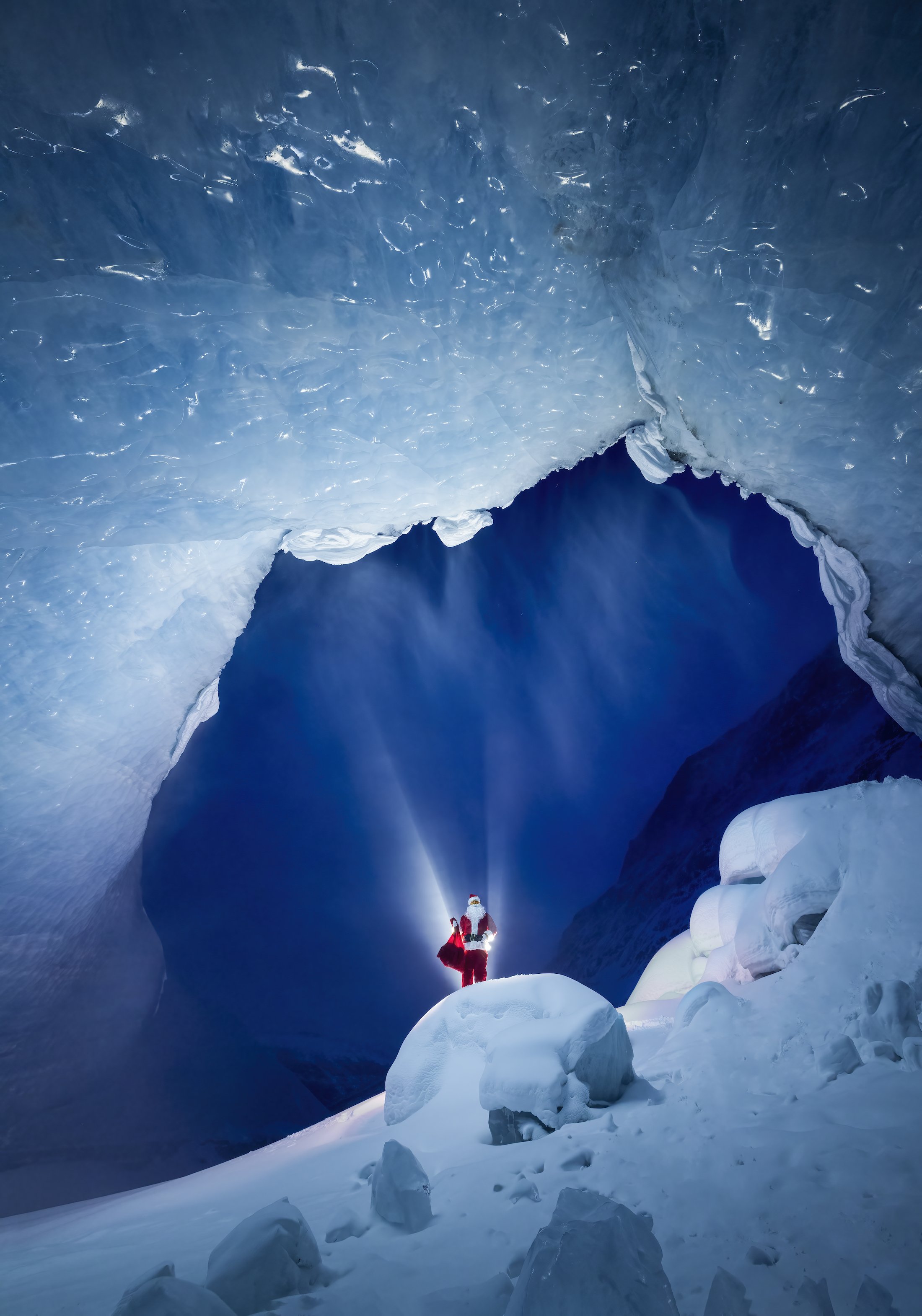
Santa departing the North Pole (Saskatchewan Glacier). Model: John Bennett. Photo: Paul Zizka Photography.

Santa can do more tricks than just delivering toys around the world. On skates at Lake Louise. Model: Bryce Chudak. Photo: Paul Zizka Photography.

Santa, the glacier explorer. Model: Lee Nordbye. Photo: Paul Zizka Photography.